

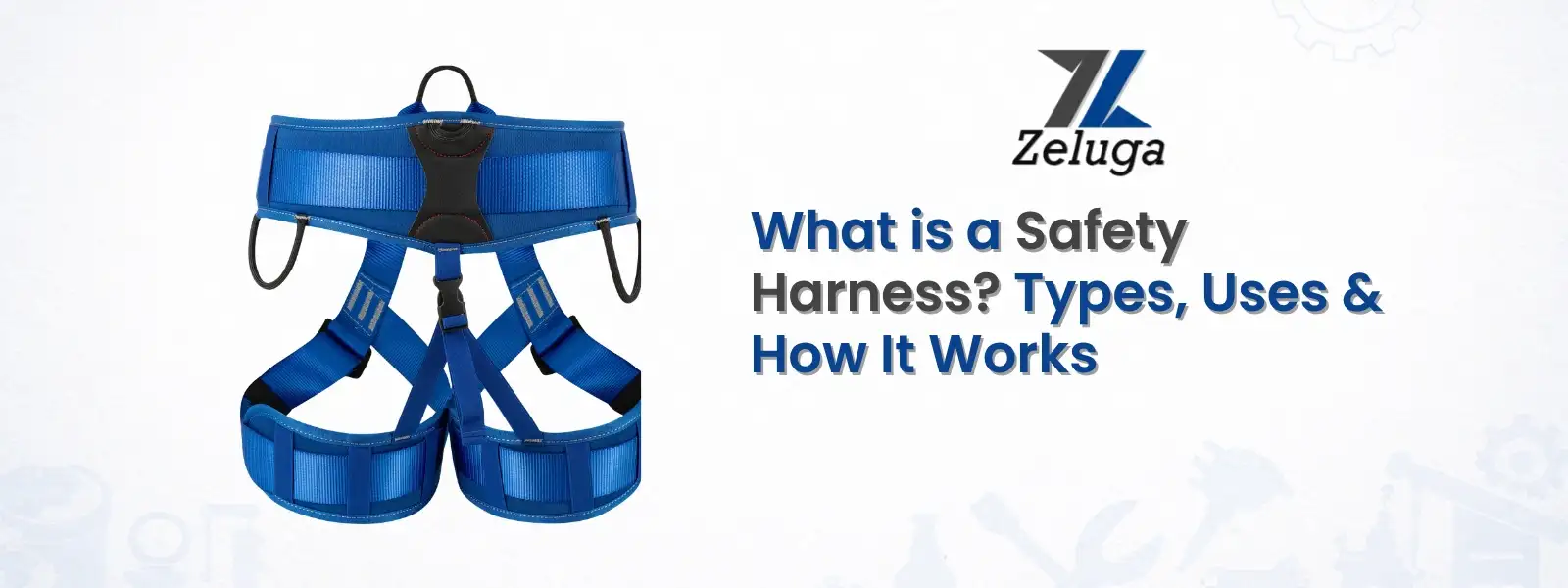
Working at height always comes with risk. You know even a small slip can turn serious very fast. That is why safety harness systems are used in construction electrical work and climbing.
What is a Safety Harness? Definition and Purpose
A safety harness is a fall protection device used to hold a worker safely when working at height. It is part of a complete fall arrest system that includes lanyards lifelines and anchor points. In real life it does not just stop a fall. It controls it. The harness spreads the force across the shoulders thighs and chest so the body can handle the impact better.
This reduces serious injury. You will see it used in construction electrical maintenance and climbing work. Choosing the right harness improves stability and gives workers more confidence while working. It also helps meet safety rules on site.
Types of Safety Harnesses Complete Breakdown
1. Full Body Safety Harness
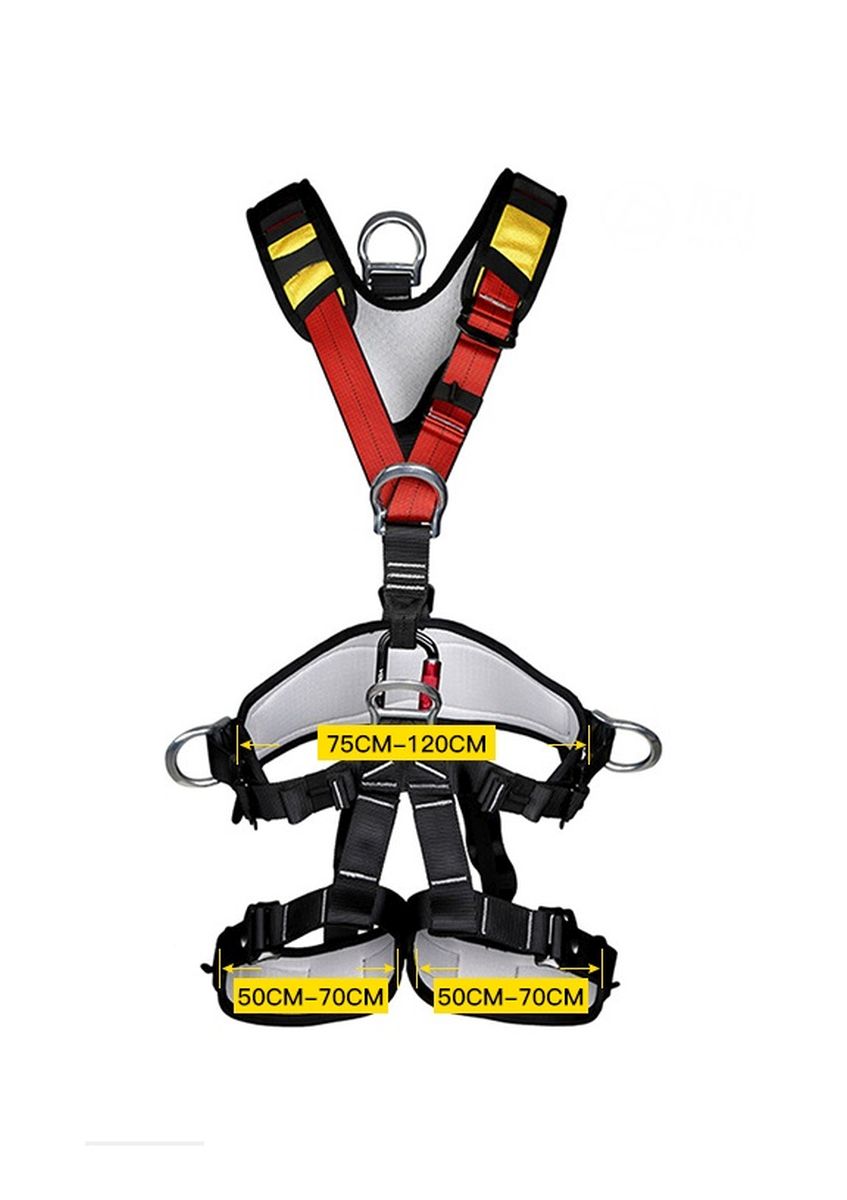
A full body safety harness wraps around shoulders chest waist and legs to give full protection. It is mainly used in fall arrest systems where risk is high. In real life this kind of harness spreads impact force across the body and keeps you stable after a fall. You will mostly see it in construction roofing and heavy industrial work where safety cannot be compromised.
Example
Zeluga 15-330 Full Body Safety Belt with Suspender is built for full protection with strong support and is suitable for long working hours in demanding industrial environments
2. Half Body Safety Harness
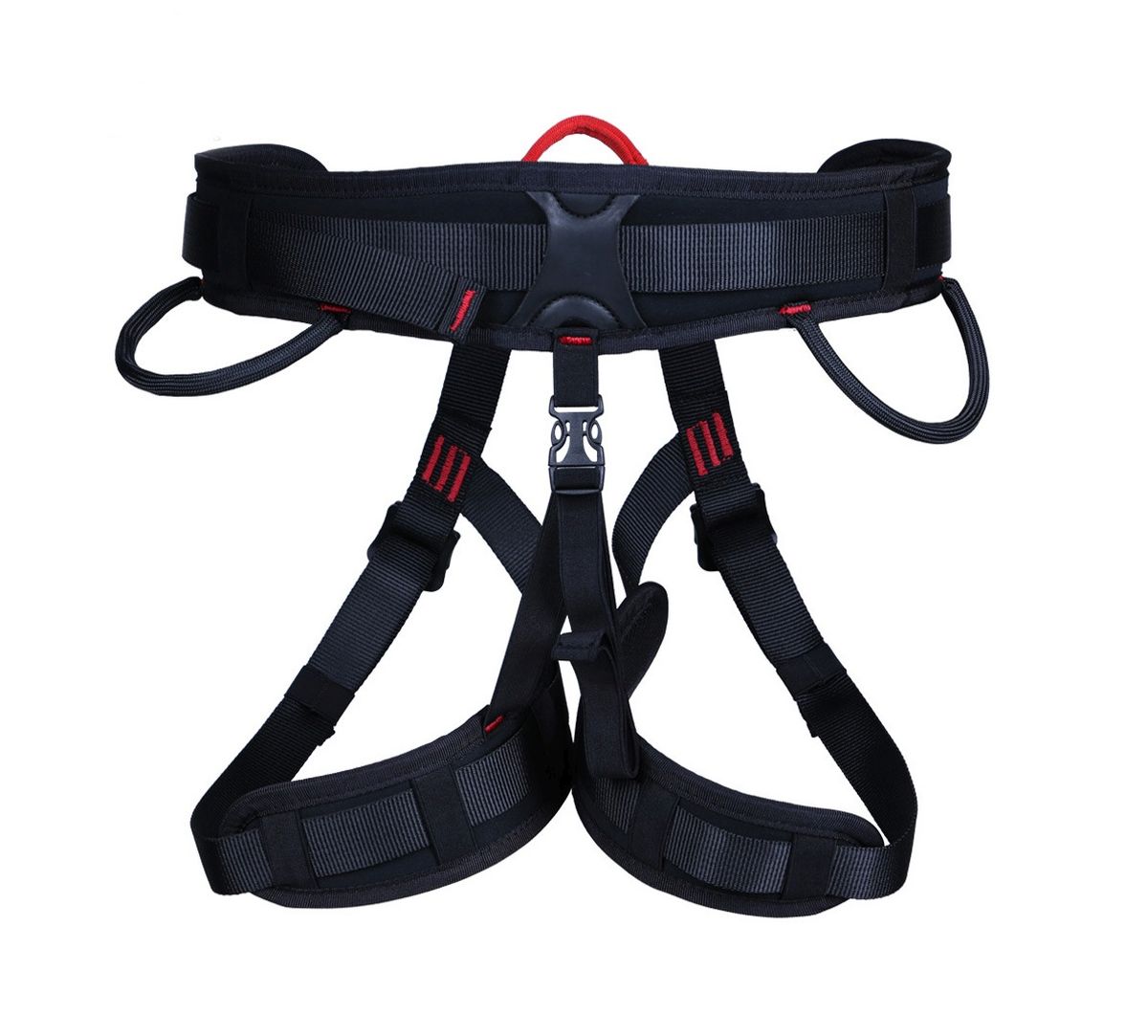
A half body harness is focused on the waist and thighs and is much lighter compared to full body options. You know it is useful when movement matters more than full protection. It is often used in climbing and positioning jobs. It works well in controlled situations but is not made for complete fall arrest systems.
Example
Options like 15-103, 15-366 and 15-369 come with padding and adjustable fit making them useful for climbing construction work and even tree work where flexibility is needed
3. Electrical Safety Belt Lineman Harness
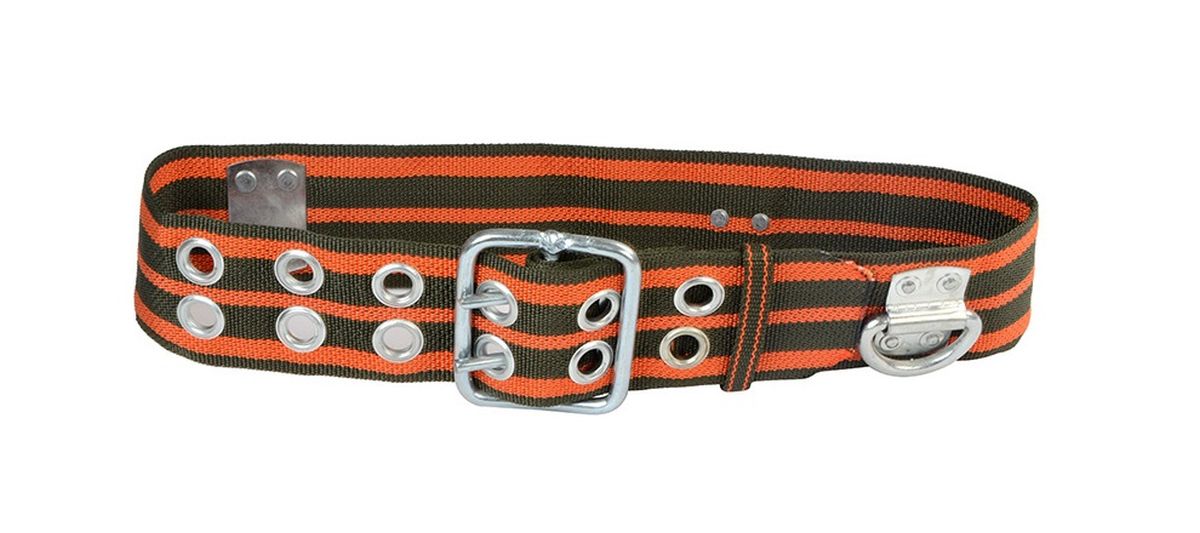
Electrical safety belts are designed more for positioning rather than stopping a fall. In real work situations linemen use these to stay secure while working on poles or elevated structures. It gives support and keeps hands free for tools. This makes it important for electrical and utility maintenance tasks.
Example
Zeluga 15-102 and 15-105 are made for linemen work offering stable positioning strong grip and durability for daily use in electrical environments.
4. Arborist Tree Climbing Harness
Arborist harnesses are made for tree work where movement and balance both matter. You will notice these are flexible and allow easy positioning while climbing. They also provide comfort for long hours. In practical use they help workers stay secure while cutting or handling tools at height.
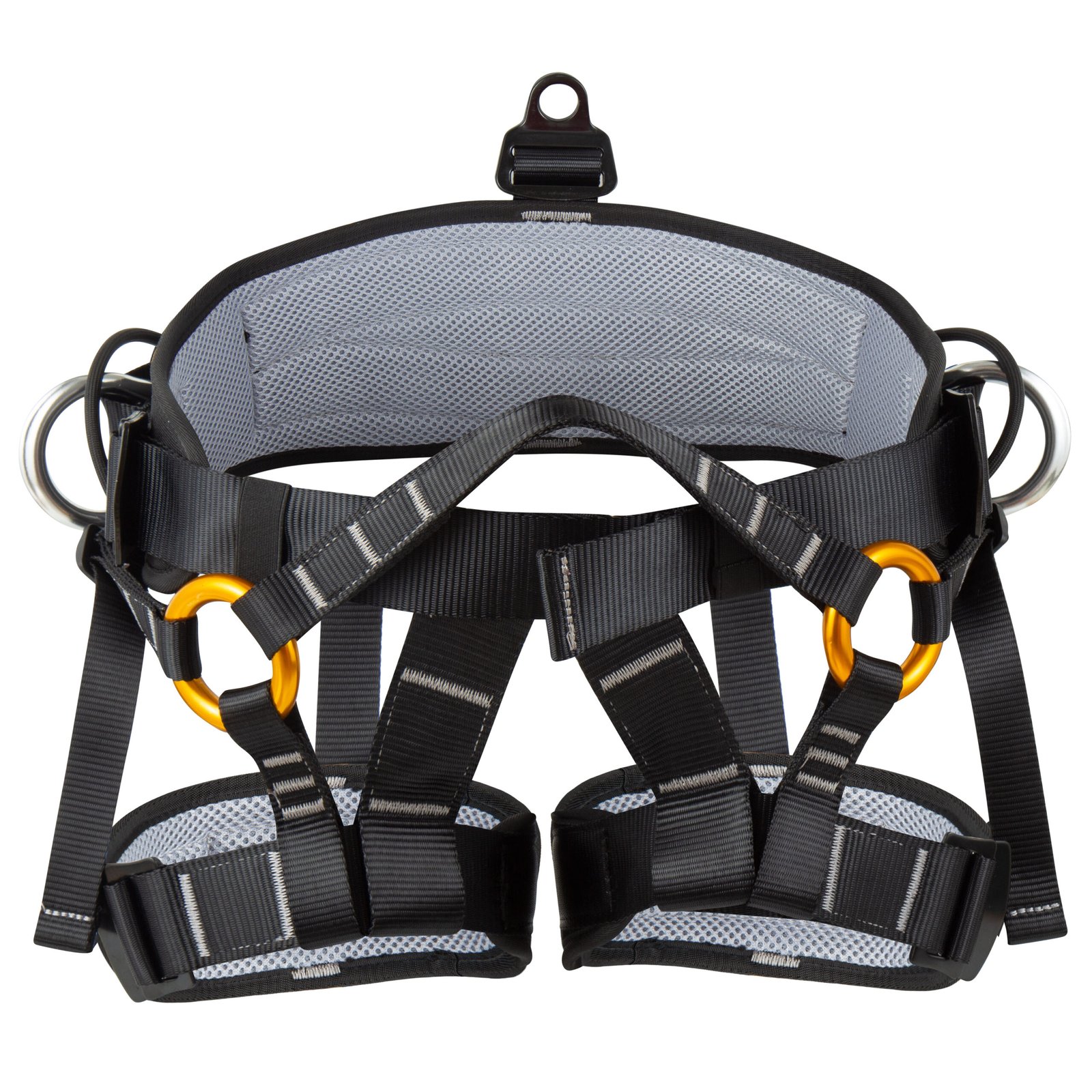
Example
Zeluga 15-227 and 15-292 both are strong arborist harnesses built for tree climbing work. They offer balance durability and reliable support in outdoor conditions
5. Rock Climbing Harness
Rock climbing harnesses are designed to be lightweight and flexible so movement feels natural. You know when you are climbing or doing rescue work control matters a lot. These harnesses support the body through rope systems and allow safe movement without restriction.
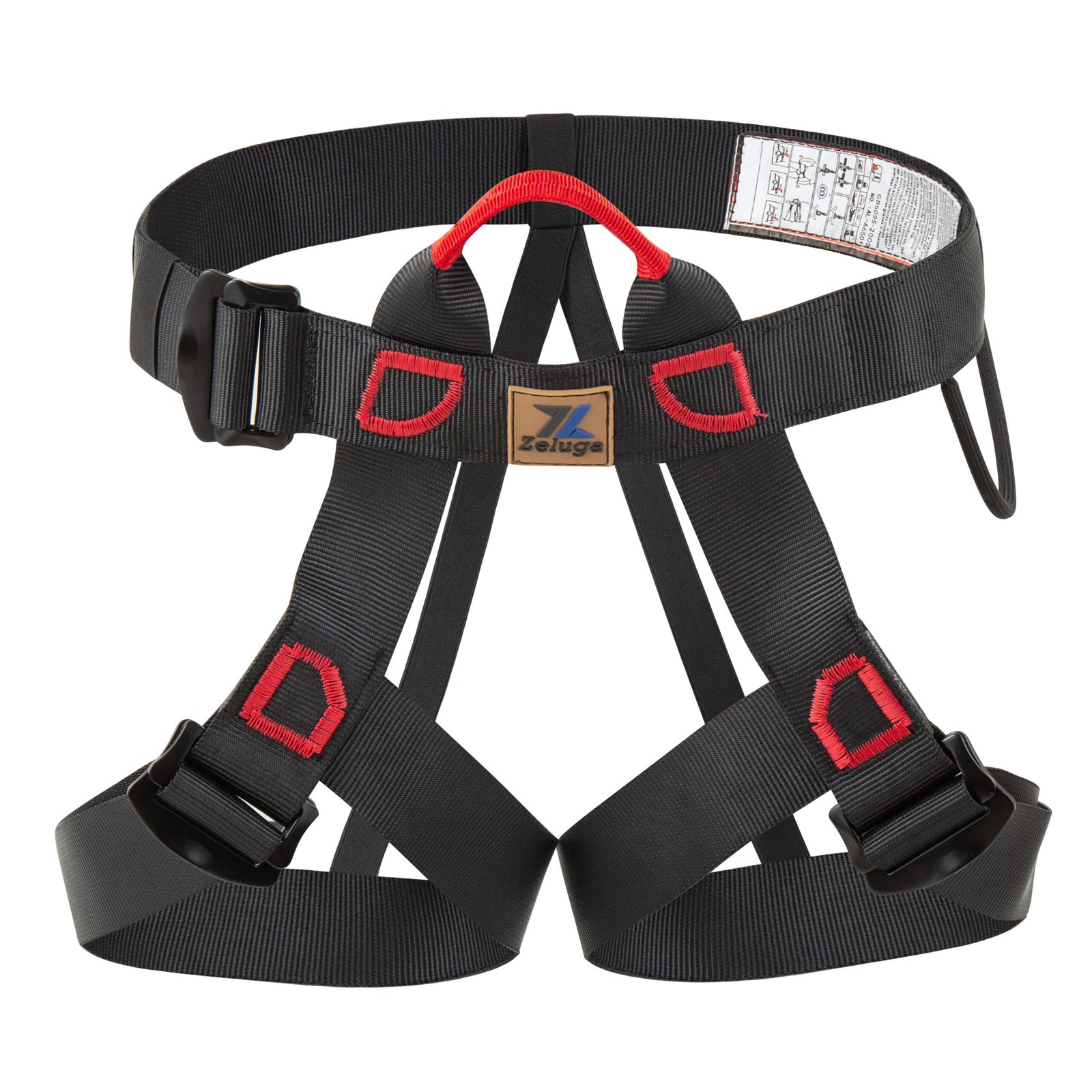
Example
Zeluga 15-104 rock climbing harness offers waist support adjustability and is suitable for climbing and rescue tasks where control and comfort are important
Key Applications of Safety Harnesses: Where They Are Used
Construction & Roofing
In real life construction work is not always clean or controlled. Workers move on edges roofs and scaffolding where balance can shift anytime. A full body harness with a lifeline kind of becomes the only thing holding safety together. It keeps movement controlled and supports proper fall protection practices on site.
Electrical & Utility Work
You know electrical work at height needs stability more than anything. Linemen stay on poles for long hours while handling tools. Safety belts help them stay positioned without losing balance. It is less about stopping falls and even more about staying secure while working in one place.
Tree Climbing & Arborist Work
Tree work is different. Surfaces are uneven and movement is constant. Arborist harnesses give flexibility while still holding the worker in place. In real situations this balance matters because cutting or trimming needs both control and freedom at the same time.
Industrial Maintenance
Inside factories things are not always at ground level. Workers often go up for repairs inspections or installations. A safety harness helps maintain control during these tasks. Basically it kind of reduces risk when working around heavy machinery or elevated structures.
Rock Climbing & Rescue Operations
Climbing and rescue work depend heavily on controlled movement. Harnesses allow safe ascent and descent using ropes. In emergency situations you really need gear that responds quickly. It supports both flexibility and safety without restricting movement.
How Does Safety Harness Work?
Load Distribution System
When a fall happens the force is sudden and strong. It is important to know that harness spreads this force across stronger body parts like shoulders and thighs. Doing this the pressure is not focused on one area. So, it helps reduce injury and keeps the body more stable after impact.
Attachment Points D Rings
D rings are where everything connects. You will find them on the back sides or sometimes front. These points link the harness to lanyards or lifelines. Their position matters because it decides how the body will be supported during a fall.
Connection with Lanyards & Lifelines
A harness alone does not work. It needs connection to a system. Lanyards and lifelines attach to anchor points and hold the worker in place. In real conditions this setup controls the fall and prevents direct impact with lower levels.
Fall Arrest vs Fall Restraint
Fall arrest means the system stops you after a fall starts. Fall restraint means you are prevented from reaching the edge in the first place. Both systems use harnesses but the purpose is different depending on the work situation.
Safety Standards & Certifications You Must Know in USA
OSHA Compliance Requirements
In real work conditions you know OSHA rules are not just guidelines. They clearly explain when a safety harness is needed and also how it should be used. Keep note these rules help reduce fall risks and keep workers protected. Every company must follow these rules and ensure proper workplace safety compliance.
ANSI Safety Standards
ANSI standards are more focused on how the harness actually performs in real job. They check strength durability and load handling capacity. In real life this matters because equipment is used in tough conditions. ANSI tested harnesses give confidence that they will hold under pressure during actual fall protection situations.
Load Capacity & Strength Ratings
Every harness comes with a specific load rating and this is something many people ignore. It tells you how much force the harness can handle during a fall. It is important to choose the correct rating because using the wrong one can lead to serious failure during high impact situations.
D Ring & Hardware Testing Standards
D rings and metal parts are the backbone of any harness system. They connect everything together. If these fail nothing works. That is why strong materials and proper testing are important. In real use these components take sudden force so quality really matters here.
Inspection & Certification Labels
You will usually see labels on certified harnesses and many people overlook them. These labels show testing details usage limits and compliance information. They help you confirm if the harness is safe to use. Ignoring them can lead to using equipment that is not fit for work.
Common Mistakes When Using a Safety Harness
Incorrect Harness Fit
A harness that does not fit properly can create serious problems. Too loose and it will not hold correctly. Too tight and it becomes uncomfortable and restricts movement. In real situations this affects balance and safety so proper adjustment is always important before starting work.
Using Wrong Harness Type
This is a common issue you will notice on sites. People use half body harnesses where full body systems are required. Each type has a purpose. Using the wrong one reduces protection and increases risk especially in fall arrest situations where full support is needed.
Ignoring Anchor Point Strength
You can have the best harness but if the anchor point is weak it will fail. Many workers do not check anchor strength properly. In real work this becomes dangerous. A strong and secure anchor point is what holds the entire fall protection system together.
Skipping Pre Use Inspection
It may feel like a small step but skipping inspection is risky. Straps can wear out stitching can weaken and connectors can get damaged over time. A quick check before use helps avoid failure. In real life this simple habit prevents many accidents.
Improper Connection Setup
Sometimes the issue is not the harness but how it is connected. Wrong attachment of lanyards or lifelines can make the system ineffective. In actual use all parts must work together properly. A small mistake in setup can lead to serious safety failure.
Maintenance & Inspection of Safety Harnesses
Pre-Use Visual Inspection
Before you even start work just take a moment and look at the harness. You know small damage is easy to miss. Check for cuts worn edges loose stitching and bent D rings. In real life this simple habit can prevent serious failure when it actually matters most.
Check Load Bearing Components
Now focus on the parts that actually take the load. Straps stitching and metal hardware carry the force during a fall. If something feels weak or looks off do not ignore it. Kind of small issues here can turn into major safety risks later.
Proper Storage Practices
After use how you store the harness also matters. Keep it in a dry clean place. Avoid sunlight heat or chemicals. These things slowly damage the material. In real life poor storage reduces strength even if the harness looks fine outside.
Scheduled Professional Inspection
Daily checks are good but not enough always. A trained inspection can find hidden wear that you might miss. You know internal damage is not always visible. Regular professional checks keep the harness reliable and ready for real work conditions.
Timely Replacement
At some point every harness needs replacement. Do not stretch its life too much. Even minor wear affects performance over time. In real use safety equipment should never be compromised. Replacing it early is always better than taking a risk.
Why Professionals Trust Zeluga’s Safety Harness Range
High Strength Materials
Zeluga harnesses are built using strong webbing and tested components. This helps them handle load better in actual work situations. You know when equipment feels solid workers trust it more and use it with confidence every day.
Designed for Real Work Conditions
These harnesses are not just made for display. They are built for construction sites electrical jobs and climbing work. In real life this makes a difference. The design supports movement while still keeping safety as the first priority.
Wide Product Range
You will notice there is a solution for almost every job. Full body harness half body options electrical belts arborist gear. This kind of range makes selection easier. You can match the harness exactly with your work requirement.
Focus on Comfort & Adjustability
Comfort is often ignored but it matters a lot. If a harness is not comfortable workers adjust it wrongly or avoid using it properly. Zeluga designs focus on fit padding and easy adjustment which improves safety in real conditions.
Reliable for Multiple Applications
One thing professionals look for is reliability across different tasks. These harnesses perform well in construction electrical work tree climbing and more. In real situations this flexibility reduces the need for multiple gear setups and keeps operations simple.
Request a Bulk Inquiry for High-Quality Safety Harnesses with Zeluga
If you are searching for a safety harness you already know the risk involved in your work. So choosing the right gear is not something you can ignore. At Zeluga we offer different types of fall protection harnesses that are actually used in real job conditions. From electrical safety belts to full body systems everything is made to handle pressure and daily use. You can send an enquiry and get guidance based on what you really need not just what looks good on paper.
Conclusion
A safety harness is not just another tool you carry on site. It is something that directly protects your life when things go wrong. If you understand the types how they work and where to use them you will make better choices. In real work situations small decisions matter. The right harness improves safety and even your confidence while working at height. So focus on correct usage regular checks and proper selection. If you want something reliable get in touch.
Read More:
Heavy Duty Fall Protection Safety Harnesses Manufacturer & Bulk Supplier in USA – Zeluga
FAQs
What is the difference between a safety belt and a safety harness?
A safety belt is mainly used to hold your position while working. A safety harness is designed to stop a fall and spread the force across your body which makes it much safer.
Can a half body harness be used for fall arrest?
No it is not meant for that. Half body harnesses are used for positioning work. For fall arrest you will need a full body harness for proper protection.
How tight should a safety harness be?
It should fit close to your body but still feel comfortable. If it is loose it will not protect you properly. If it is too tight it will restrict your movement.
What is a D ring in a safety harness?
A D ring is a metal loop where you connect your lanyard or lifeline. It is a key part of the fall protection system and must be strong.
How often should a safety harness be inspected?
You should check it before every use. In addition to that a detailed inspection should be done regularly depending on how often it is used.
What industries require safety harness use?
You will see safety harnesses used in construction electrical work telecom tower jobs tree work industrial maintenance and rescue operations.
Can a damaged safety harness be repaired?
No it should not be repaired. Once damaged it is safer to replace it because even small defects can cause failure during a fall.
What is the lifespan of a safety harness?
There is no fixed number. It depends on how you use it how you store it and how often it is inspected. Regular checks will help you decide when to replace it.
What is fall arrest vs fall restraint?
Fall arrest stops you after you fall. Fall restraint stops you from reaching a place where you could fall. Both are used in different situations.
Why is proper anchor point selection important?
Because everything depends on it. Even a strong harness will not work if the anchor point fails. So you need to make sure it is secure and tested properly.