

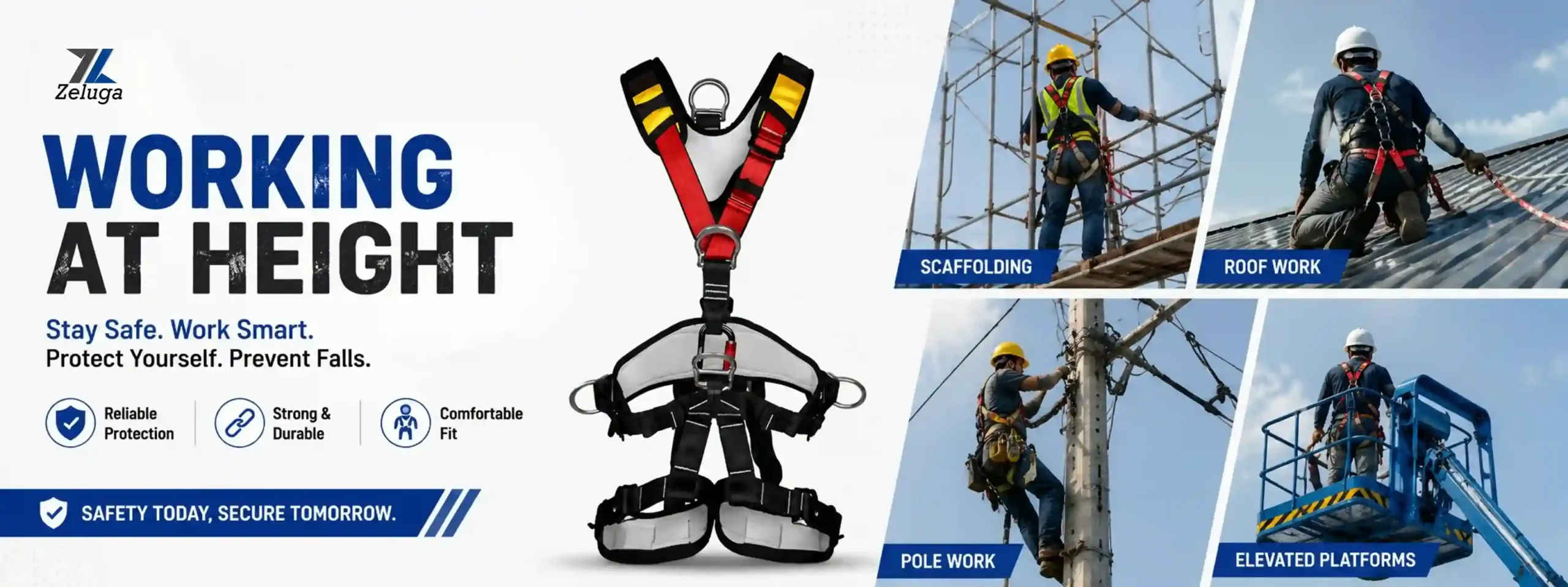
Working at height is part of daily work for many professionals. A routine task can become dangerous when planning or protection is overlooked. Falls can happen from roofs, ladders, scaffolds, platforms, and openings. The right approach starts before you leave the ground. You need to understand the hazard, choose the safest work method, use suitable protection, and know what to do if something goes wrong.
What Is Working at Height?
Working at height means working in a place where you could fall and suffer an injury. This can include working on a roof, ladder, scaffold, elevated platform, or near an opening. The exact risk depends on the task and workplace. Do not judge danger by height alone. A fall onto machinery, through a fragile surface, or into an opening can also cause serious injury.
Why Is Working at Height Dangerous?
A fall can happen quickly. You may lose balance, step onto a weak surface, use unstable equipment, or encounter an unprotected edge. Weather, poor housekeeping, damaged equipment, and carrying materials can increase the risk. The consequences can be severe. That is why you should assess the job before starting. Safe work at height requires planning, suitable equipment, competent workers, and protection that matches the actual hazard.
Understanding Fall Prevention and Fall Protection
Fall prevention aims to stop you from falling in the first place. Guardrails, protected platforms, and covers are common examples. Fall protection is used when a fall hazard remains and additional measures are needed to protect you. This can involve a full body harness, connecting device, and suitable anchor system. The important point is simple. Do not start by assuming a harness is always the first solution.
The Safety Hierarchy for Working at Height
Avoid Working at Height Where Possible
First ask whether the task can be completed from the ground or by another safer method. Removing the need to work at height removes the fall exposure.
Prevent Falls With Safer Work Methods
If height work cannot be avoided, choose a safer work method. Use suitable access equipment and collective protection such as guardrails or protected work platforms where appropriate.
Minimise the Consequences When a Fall Risk Remains
When the risk cannot be eliminated, use suitable fall protection. The complete system must be correctly selected, fitted, connected, and supported by adequate clearance and rescue planning.
Collective Protection vs Personal Fall Protection
| Collective Protection | Personal Fall Protection |
| Protects people without requiring each worker to take action for the system to work | Requires the worker to wear and use the equipment correctly |
| Can protect more than one worker at the same time | Usually protects the individual user |
| Examples include guardrails, edge protection, toe boards, and protected scaffolds | Examples include full body harnesses, lanyards, lifelines, and fall arrest systems |
| Reduces reliance on individual behavior | Depends on correct fitting, connection, inspection, and use |
10 Rules To Follow for Working at Height
Rule 1: Assess the Fall Hazards Before Starting Work
Do not begin until you understand where and how a fall could happen. Check the work height, open edges, floor openings, fragile surfaces, access routes, and conditions below. Look at the surface you will stand on. Consider weather, lighting, tools, and materials. Also check how you will enter and leave the work area. Your protection must match the actual job hazard, not just the height.
Rule 2: Avoid Working at Height When a Safer Method Is Available
Do not automatically use a ladder, scaffold, or elevated platform because that is how the task was done before. Ask if the work can be completed from ground level or with another method. Reducing exposure is always better than managing unnecessary exposure. If height work is still required, keep the time spent at risk as low as reasonably possible and plan the task properly before starting.
Rule 3: Choose the Right Equipment for the Job
A ladder is not the right answer for every job. Consider the task, work duration, required movement, working height, surface conditions, and materials you need to handle. A scaffold or suitable elevated platform may provide better stability and working space. Aerial equipment may suit other tasks. The equipment should be strong, stable, suitable for its intended use, and maintained in safe working condition.
Rule 4: Prioritize Guardrails and Other Collective Protection
Where suitable, use protection that does not depend entirely on individual action. Guardrails and protected work platforms can prevent workers from reaching a fall edge. Toe boards and suitable covers can help control additional hazards. Collective protection can protect multiple people at once. You should consider these measures before relying only on personal fall protection. The best system is the one that effectively controls the specific hazard.
Rule 5: Select Fall Protection Equipment That Fits the Work
If personal fall protection is required, select equipment for the actual task and environment. A full body harness must fit and be adjusted correctly. The connecting device and anchor arrangement must also suit the work. Consider movement, environmental hazards, and available fall clearance. Equipment components must work together as a complete system. Never assume that any harness and lanyard combination will provide adequate protection in every situation.
Rule 6: Inspect Fall Protection Equipment Before Use
Inspect your equipment before use and follow the inspection and maintenance requirements for the system. Check the harness, webbing, stitching, hardware, connectors, lanyards, and other components for damage or deterioration. Do not use equipment that appears unsafe or defective. Remove questionable equipment from service according to workplace procedures. A fall protection system cannot protect you as intended if a damaged component fails.
Rule 7: Understand Fall Distance and Fall Clearance
A fall arrest system needs enough space to stop a fall before you strike a lower level or obstacle. The required clearance can involve the connecting device, deceleration distance, worker position, harness effects, anchor movement, and other system factors. Never estimate this casually. Assess the complete system and the space below the worker. If clearance is inadequate, choose another suitable method of protection before starting the task.
Rule 8: Use a Suitable and Secure Anchor Point
Your harness and connecting device are only part of the system. The anchor arrangement must also be suitable for the intended fall protection system. Do not connect to an object simply because it looks strong. The anchor must be appropriate for the expected loads and the system being used. Use properly designed, selected, and installed anchorage solutions. When requirements are unclear, the system should be evaluated by a qualified person.
Rule 9: Follow Safe Practices for Ladders, Scaffolds, and Aerial Lifts
Use each type of access equipment according to its intended purpose and safe operating requirements. Keep ladders stable and avoid overreaching. Do not use ladders for demanding work when a safer platform is appropriate. Ensure scaffolds provide safe access and suitable protection. When using aerial lifts, follow the equipment requirements and use designated attachment points when required. Never improvise access methods or climb on equipment not designed for that purpose.
Rule 10: Train Workers and Plan for Emergencies
Training is essential because fall protection only works when workers understand the hazard and the system. You should know how to inspect, fit, connect, and use your equipment correctly. Workers also need clear procedures for the specific job. Plan for emergencies before work begins. A fall may require prompt rescue. Know who will respond, how communication will work, and what rescue arrangements are in place.
Common Working at Height Hazards To Watch For
Unprotected Edges
Roof edges, platforms, and open-sided work areas can expose you to a sudden fall. Identify them early and install suitable protection before work begins.
Fragile Surfaces
Some roofs and surfaces may not support your weight. Never assume a surface is safe. Identify fragile areas and provide suitable access and protection.
Floor Openings
Uncovered or poorly protected openings can cause serious falls. Guard, cover, or otherwise control openings so workers cannot accidentally enter the hazard.
Unstable Access Equipment
A poorly positioned ladder or improperly prepared scaffold can fail or shift. Check stability, condition, setup, and suitability before climbing or starting work.
Slippery Conditions
Rain, ice, dust, oil, or loose debris can affect footing. Check surfaces and stop work when conditions make safe movement unreliable.
How To Protect People From Falling Objects
Secure Tools
Keep tools under control when working above others. Use suitable tool storage or securing methods so dropped items do not become falling hazards.
Use Toe Boards
Where appropriate, toe boards can help prevent materials and equipment from being kicked or pushed off elevated work areas and platforms.
Control the Area Below
Keep people away from areas where objects could fall. Use suitable barriers, exclusion zones, or other controls based on the work activity.
Store Materials Safely
Do not leave loose materials near edges. Position and secure items so vibration, movement, wind, or accidental contact cannot cause them to fall.
Plan Material Handling
Think about how tools and materials will reach the work area. Avoid unsafe carrying methods that affect your balance or create a dropped-object risk.
Common Mistakes To Avoid When Working at Height
Starting Without a Risk Assessment
Do not treat a familiar task as automatically safe. Conditions can change. Check the hazards and required controls before beginning each job.
Choosing the Wrong Equipment
Using a ladder when a stable platform is needed can increase risk. Select equipment based on the task, duration, movement, and working conditions.
Ignoring Equipment Damage
Do not continue using damaged or questionable fall protection equipment. Remove it from use and follow the correct workplace inspection and replacement procedures.
Forgetting About Fall Clearance
A connected worker is not automatically protected. If there is insufficient clearance below, the fall arrest system may not stop the worker safely.
Working Without Rescue Planning
Do not wait for an accident to decide what happens next. Establish communication, emergency procedures, and rescue arrangements before work at height begins.
Conclusion
Working safely at height starts before you climb. First assess the hazard. Then ask whether the work can be done without exposing yourself to a fall. If height work is necessary, choose the safest method and suitable equipment. Prioritize collective protection where appropriate. Inspect personal fall protection before use. Understand the limits of your system and plan for rescue. Small shortcuts can create serious consequences.
Read More:
Heavy Duty Fall Protection Safety Harnesses Manufacturer & Bulk Supplier in USA – Zeluga
What is a Safety Harness? Types, Uses & How It Works
Climbing Harness Fitting Guide for Safety: How to Wear and Adjust a Harness Properly
Frequently Asked Questions
What Should You Do Before Working at Height?
Assess the work area and identify fall hazards. Check the surface, access route, equipment, weather, and protection measures. Make sure the work method and emergency arrangements are suitable before starting.
Can You Work at Height Alone?
This depends on the task, hazards, workplace procedures, and emergency arrangements. You must consider whether help or rescue can be provided quickly if something goes wrong. Do not treat working alone as a routine decision.
What Should You Do If Weather Conditions Change?
Stop and reassess the work. Rain, wind, ice, lightning, or poor visibility can change the level of risk. Resume only when conditions and controls allow the work to be carried out safely.
What Is a Competent Person in Working at Height Safety?
A competent person has the appropriate knowledge, skills, training, and experience to identify hazards and take suitable action within their assigned responsibilities.
Why Is Safe Access Important When Working at Height?
The risk does not begin only when you reach the work position. Climbing, transitioning between levels, and leaving the work area can also expose you to falls. Plan safe access and exit routes.