

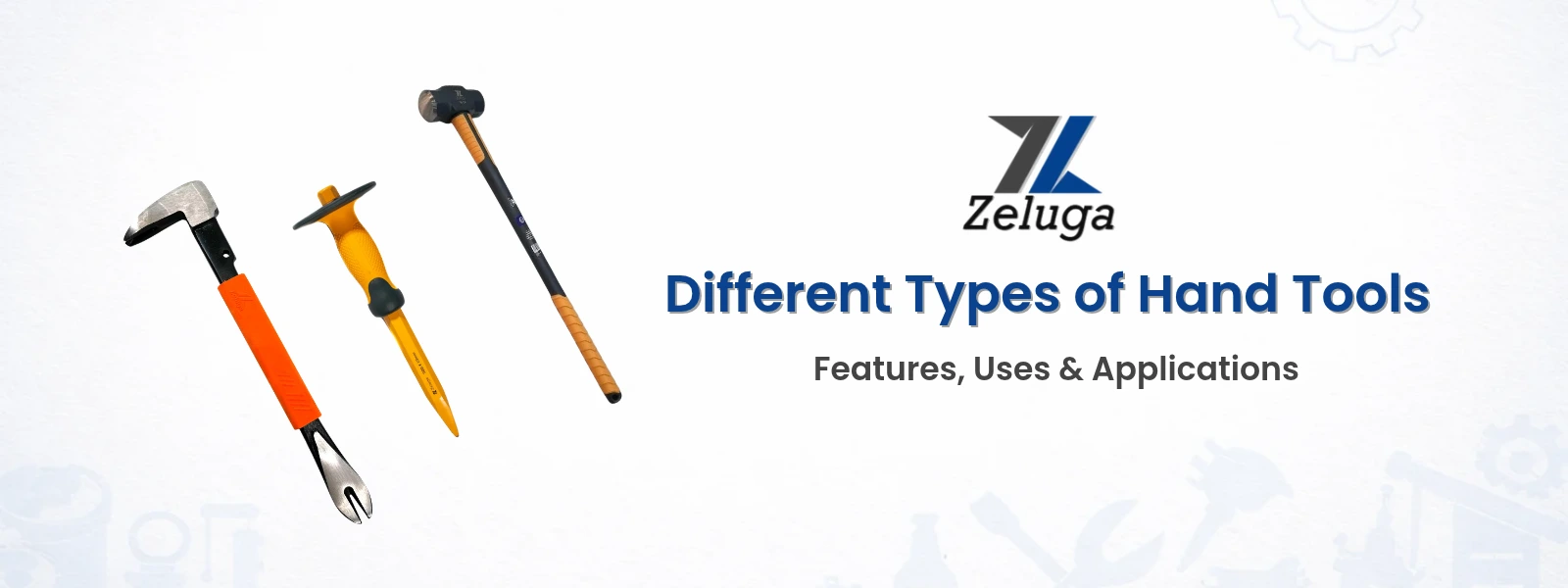
Hand tools are manually operated equipment that are utilized for purposes of cutting, joining, gripping, measuring, forming, and removing material. There are different types of hand tools that are essential in activities such as construction, carpentry, mechanical maintenance, and industrial maintenance. Every kind of hand tool you use has a unique function that depends on its design, materials, and mode of operation.
1. Hammers and Mallets
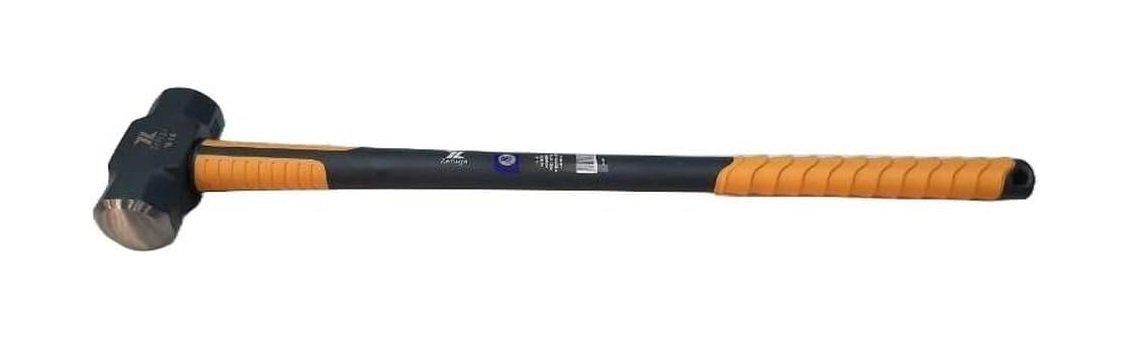
Hammers and mallets are striking tools that you use for driving nails, shaping metals, positioning components, and impact applications. The heads of hammers are normally made of hard metal, but the heads of mallets are made of softer materials. These tools are useful in framing, assembly, and demolition. It is important for you to choose the right head size and strike straight into the object. Always examine the tool for damage.
Also read: Different Types of Hammers: Uses, Features, and Applications
2. Screwdrivers
Screwdrivers are fastening tools used to tighten or loosen screws through rotational motion. Screwdrivers are characterized by shaped tips, metal shafts, and handles that provide you grip and turning control. Their applications range from equipment installation and electrical installations to maintenance. Ensure that you use the screwdriver tip with the same shape as that of the screw head, and apply straight pressure to the screw.
3.Wrenches and Spanners
Wrenches and spanners are hand tools designed to turn your nuts, bolts, and threaded components. The shape of their jaws or head allows the transfer of torque in mechanical assembly, plumbing, and maintenance tasks. You should always use the right size fastener and ensure secure contact when applying torque. Where possible, pull steadily, and do not extend the handle using pipes unless the manufacturer specifically permits it.
4. Pliers and Cutters
Pliers and cutters are gripping and cutting tools that are designed to hold, bend, twist, or cut suitable materials. The pivot point in their jaws gives mechanical advantage, thus making them ideal for you to handle wires, position components, and maintain operations. It also helps you position materials within the appropriate gripping or cutting area. You should not attempt to cut hard material with a tool that is not made for it.
5. Hand Saws and Hacksaws
Hand saws and hacksaws are manual cutting tools that can be used on wood, metal, plastic, and other suitable materials. The toothed blades help you cut off the material by making repetitive cuts. These tools are helpful for you in construction, fabrication, and pipe installation. Select the right blade and tooth spacing, and fix the work piece firmly while making controlled cuts without twisting the blade.
6. Utility Knives and Scissors
Utility knives and scissors are cutting tools designed for trimming, scoring, and separating materials. Utility knives offer you sharp and replaceable blades for packaging, insulation, and plasterboard, whereas scissors cut flexible materials. Both allow you to hold controlled cutting in tight spaces. Use a steady cutting surface, keep your hands away from the cutting path, and retract or cover exposed blades after use.
7. Chisels, Files and Rasps
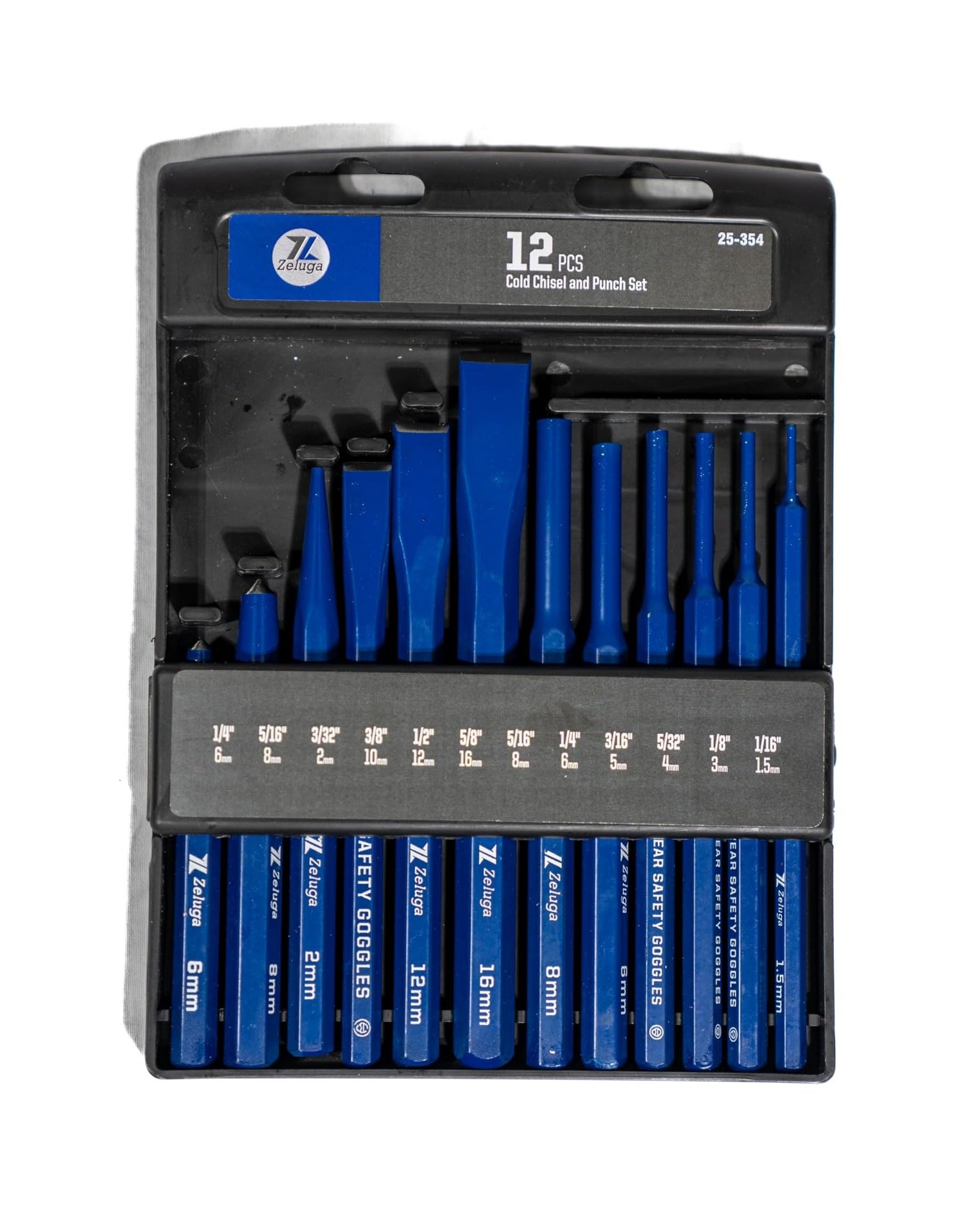
Chisels, files, and rasps are tools that shape the material by removing excess material from it and refining edges. Chisels shape and cut suitable materials, whereas files and rasps remove material using their toothed surface. You can use these tools in carpentry, metalwork, and fabrication processes. It is important to fix the workpiece and use appropriate handles with suitable profiles and cutting grades for the material.
8. Clamps and Vises
Clamps and vises are work-holding tools designed to hold the workpiece while cutting, drilling, gluing, and assembling. Clamps give you portable holding power while vises give stable support once they are fixed to the workbench. The jaws of clamps and vises help you to prevent any unnecessary movement of the workpiece. Ensure that the workpiece is positioned properly and protect the jaws with jaw pads if required.
9. Measuring and Marking Tools
Measurement and marking tools help you determine dimensions, angles, levels, and references prior to cutting or assembly. Tools like tape measures, levels, squares, calipers, and marking tools can be used to ensure that dimensions are correct. Choose tools that have appropriate measurement ranges and graduations. Make sure that reference surfaces are accurate and readings on scales are taken at the proper angle.
10. Hex Keys and Nut Drivers
Hex keys and nut drivers are fastening tools used to tighten certain types of screws and nuts. It is important to note that hex keys engage internal hexagonal sockets, while nut drivers fit external hexagonal fasteners. These are useful for you when assembling machinery, setting up furniture, and maintaining equipment. You should use a tool of the precise size, secure engagement with the fastener, and proper torque to avoid rounding or stripping.
11. Pry Bars and Wrecking Bars
A pry bar and a wrecking bar are tools that make use of leverage for separating or removing tightly fitted components. The rigid structure of metal and specially designed tips help them create mechanical advantage during demolition, renovation, and component removal. You should position the fulcrum on a stable surface and apply gradual force. Do not use broken bars, and keep your hands away from possible pinch point areas.
12. Nail Pullers & Nail Stripping Tools
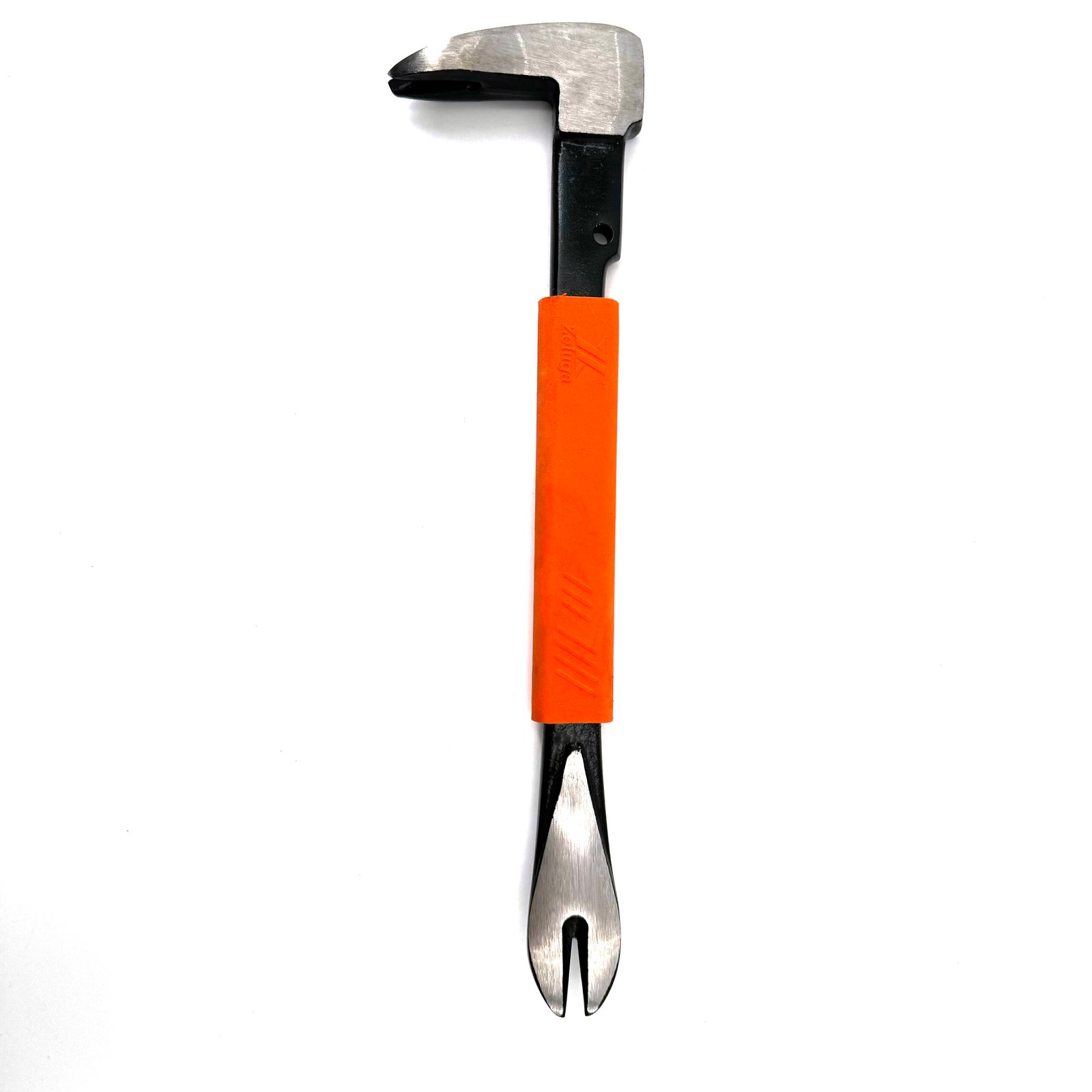
Nail pullers are tools that help you grip and pull-out nails from timber and other suitable materials. On the other hand, nail stripper tools are helpful in stripping nails out of reused or disassembled materials. Nail pullers are useful in roofing, renovations, and carpentry work. Ensure that you get a good hold on the nail and use controlled leverage while protecting surrounding areas. Wear eye protection to shield yourself from flying particles.
13. Filling Knives
Filling knives are hand tools with flexible blades that are used to apply, spread, and smooth fillers over cracks, holes, and surface imperfections. The thin blade ensures that the amount of pressure applied is controlled and a smooth finish is achieved during repairs and decorating. You should choose a blade width appropriate for the repair, apply filler in controlled passes, and clean the blade before the material hardens.
14. Bradawls
Bradawls are pointed marking tools used to create small starter holes or indentations in wood before inserting screws or nails. Their narrow metal points help you position fasteners accurately and reduce unwanted movement during installation. Their applications include woodworking, carpentry, and cabinetmaking. Hold the tool perpendicular to the surface, apply controlled pressure, and keep fingers clear of the point.
15. Torches
Torches are portable lighting tools used to provide lighting in dark places for inspections, installations, and repairs. They typically feature LED light sources, protective housings, and replaceable or rechargeable batteries. They are useful inside cabinets, under equipment, and in service spaces. Ensure you select the correct lighting strength and coverage and that you have properly charged batteries.
16. Gardening Hand Tools
Gardening hand tools are manually operated implements used in gardening for the purposes of digging, pruning, trimming, cultivation, and soil preparation. They have well-shaped blades, tines, and handles that allow you to handle them easily during landscaping and grounds maintenance activities. These tools can be used for planting, vegetation removal, and routine garden care. You should choose hand tools that suit the soil and plant materials and keep them sharp and clean after each use.
Common Applications of Hand Tools Across Industries
Precision work, assembly, repair, and material handling are possible with different hand tool types. The selection of hand tools is based on the part, accuracy level, working environment, and nature of the task.
Construction and General Maintenance
Hammers, screwdrivers, tape measures, levels, saws, utility knives, clamps, and pry bars support framing, installation, repairs, component removal, and routine building maintenance.
Woodworking and Carpentry
Hand saws, chisels, hammers, clamps, files, rasps, bradawls, and measuring tools support cutting, joint preparation, surface finishing, accurate marking, and furniture assembly.
Automotive and Mechanical Work
Wrenches, spanners, pliers, hex keys, nut drivers, screwdrivers, and ball-peen hammers assist with fastener removal, component fitting, equipment servicing, and mechanical repairs.
Plumbing and Electrical Work
Suitable wrenches, pliers, screwdrivers, hacksaws, and measuring tools support pipe fitting and installation. Electrical work requires appropriately rated tools, safe isolation, and verification that circuits are de-energized.
Metalworking
Hacksaws, files, rasps, chisels, pliers, hammers, and measuring tools support metal cutting, deburring, shaping, fitting, and dimensional checks during fabrication and repair.
Gardening and Household DIY
Pruning tools, garden trowels, utility knives, scissors, screwdrivers, hammers, and tape measures support planting, trimming, furniture assembly, minor repairs, and general property maintenance.
How to Choose the Right Type of Hand Tool
1. Match the Application
Determine the type of material to be used, the job to be done, and the finish desired before selecting the hand tool. This will ensure that the best tool is used to enhance control and avoid damage to the workpiece.
2. Check Material Quality
Check that the materials are appropriate, the handles and joints are well-secured, and the tool is made from good-quality tool steel. Construction quality affects wear resistance, reliability, and performance under repeated professional use.
3. Select the Correct Size
Ensure your tool is sized appropriately for the fastener, workpiece, or measuring task. Correct sizing improves grip strength and prevents damage to fasteners or inaccuracies in measurement.
4. Evaluate Grip and Control
Take into consideration handle shape, feel, balance, and clearance. Good handle performance allows you to move around comfortably while performing repeated actions.
5. Consider Maintenance and Availability
Consider replacements for blades, spares, anti-corrosion qualities, storage needs, and supplier availability. These factors influence service life, maintenance costs, and the practicality of maintaining a consistent toolkit.
Choose Zeluga for Your Hand Tool Requirements
Looking for hand tools for professional jobs or wholesale supply? Explore Zeluga hand tools range to identify suitable options for your professional use and heavy-duty requirements. As a US-based hand tool manufacturer and supplier, Zeluga serves buyers seeking durable tools for demanding applications. Contact our team to discuss product specifications, bulk sourcing requirements, and availability for your next order.
Key Takeaways
- Hand tools perform essential cutting, fastening, gripping, measuring, shaping, and removal tasks across industries.
- Tool design, material, dimensions, and construction determine suitability for specific applications.
- Selecting the correct tool improves control, accuracy, and work efficiency.
- Proper inspection, maintenance, and storage help extend tool service life.
- Bulk buyers should evaluate specifications, availability, and supplier capabilities before purchasing.
Also Read:
10 Essential Hand Tools You Should Have
Frequently Asked Questions about Types of Hand Tools
What is the difference between tool grade and tool size?
The tool grade refers to the material or performance type, and tool size pertains to dimension, capacity, or compatibility with the intended workpiece.
Why do hand tools wear out prematurely?
Premature wear may result from the use of excessive force, improper use, inadequate maintenance, or poor storage.
How often should professional hand tools be inspected?
Inspect tools prior to using them, as well as carrying out periodic inspections depending on the workload, manufacturer’s guidelines, operating environment and wear.
Can hand tools be used on different materials?
Some tools are universal, but suitability depends on blade design, hardness, sharpness of cutting edges and the nature of the material.
What should businesses verify before bulk tool purchases?
Confirm specifications, quantities, availability, pricing, warranty terms, delivery schedules, and whether the tools meet operational requirements.