
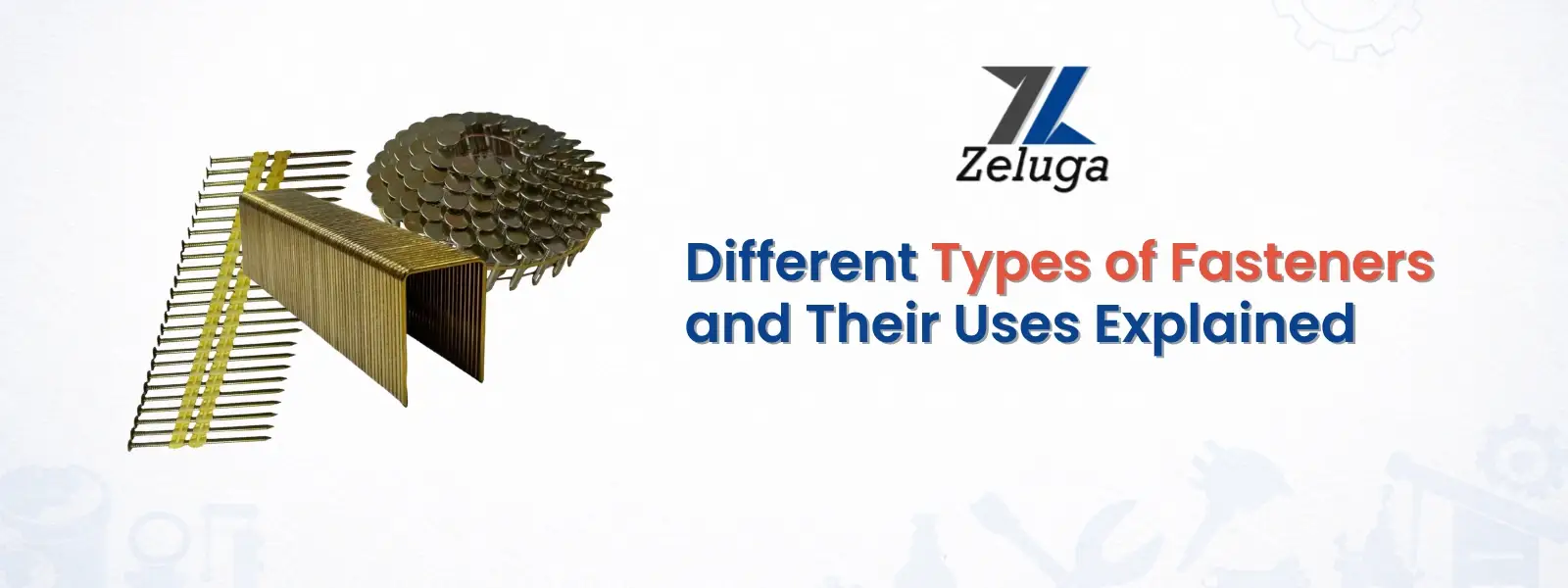
At first fasteners look like small simple parts. But in real life they decide how strong your joint will stay. They affect safety too. You might be working on sheet metal or wood or even concrete. Still one wrong choice can weaken everything. This guide will kind of walk you through the common types and where they actually work. So you know what to pick without second guessing.
What Are Fasteners?
Fasteners are basically parts that hold two materials together. Sometimes the joint is permanent. Sometimes you can remove it later. You will see them as wood screws machine screws nuts and bolts and other steel fasteners. Their main job is simple. They give holding power and keep things stable even when there is load or movement.
Why Choosing the Right Fastener Matters?
Structural strength
See in real work this matters a lot. The right fastener holds things tight as it helps handle the load without movement. But if you pick the wrong one you will notice looseness. and slowly the joint can fail.
Material compatibility
Not every surface behaves the same. Wood feels different and sheet metal reacts differently. Even concrete is rigid. So you kind of need the right fastener for each. Wrong choice reduces grip and can even damage the surface.
Corrosion resistance
If the job is outside you cannot ignore this factor. Moisture is always there and without coating rust starts early. Over time the joint becomes weak. That is why stainless steel or coated steel fasteners are used.
Tool performance
You may not notice at first. But wrong fastener size or collation creates problems. Tools start jamming. Work slows down. In high volume jobs this becomes a serious issue.
Long term durability
In real life no one wants rework. When you choose the correct fastener it lasts longer. It stays stable. It keeps the structure reliable even after long use.
Main Categories of Fasteners
Nails
Nails are kind of the most common type you will see. They install fast. Mostly used in framing and roofing work. They give strong holding and work well with nail guns on site.
Staples
Staples work a bit differently. They spread the load over a wider area. That is why they are useful in sheet metal and wood applications. You get better surface grip.
Anchors and Masonry Fasteners
When you deal with concrete or brick normal fasteners do not work well. This is where anchors and masonry nails come in. They are built for hard surfaces and deeper grip.
Powder Actuated Fasteners
These are more on the heavy side. Used with special tools. They drive directly into steel or concrete. In real projects they are used where strong and deep fixing is needed.
Different Types of Fasteners and Their Uses
Framing Nails
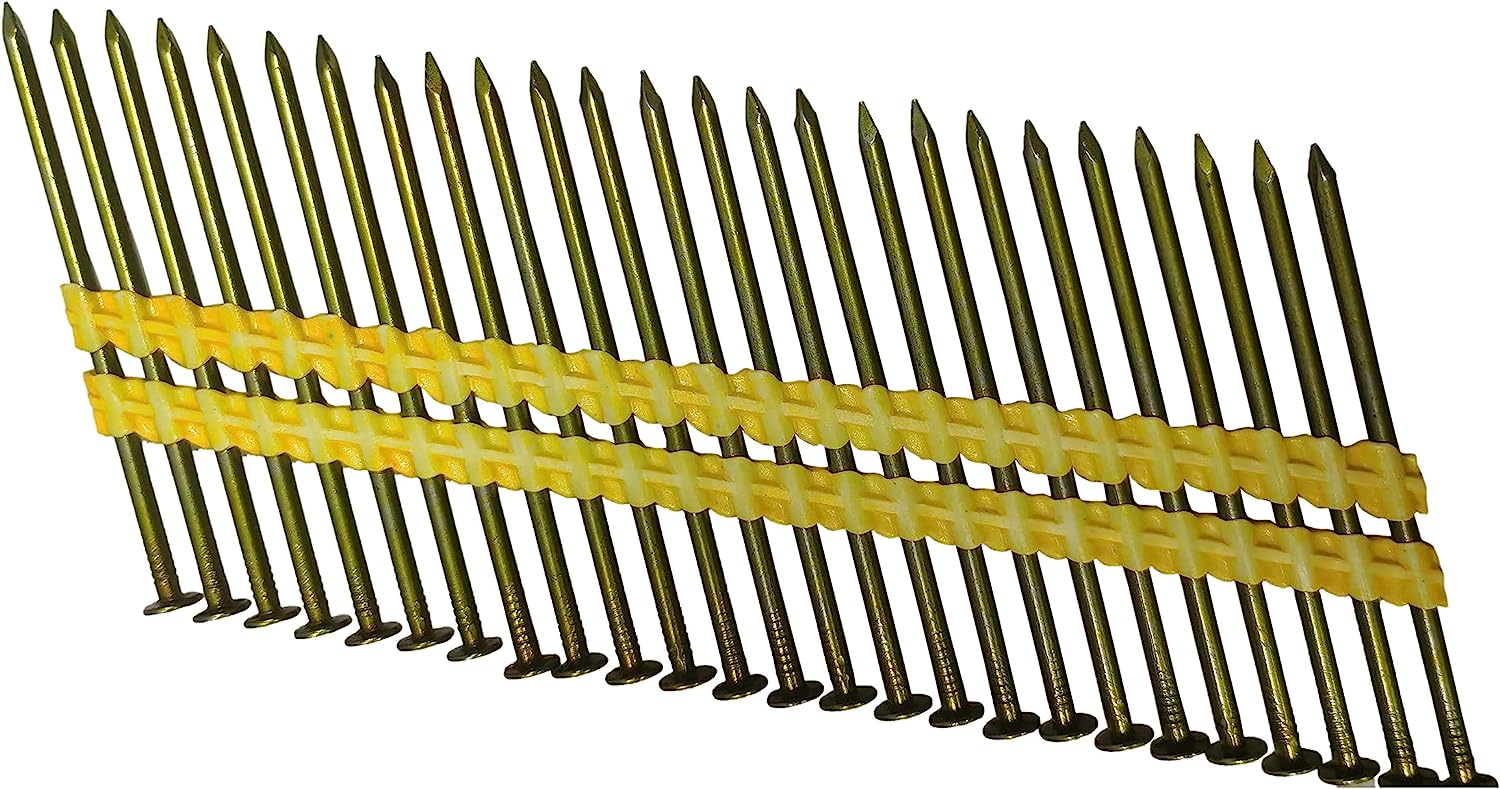
When you are working on structure this is where framing nails come in. They are made to hold load. You need that strong grip in wood joints. In real work people rely on options like 13-254 and 13-286 21 degree nails or even 13-533 30 degree nails because they keep the frame stable over time.
Roofing Nails
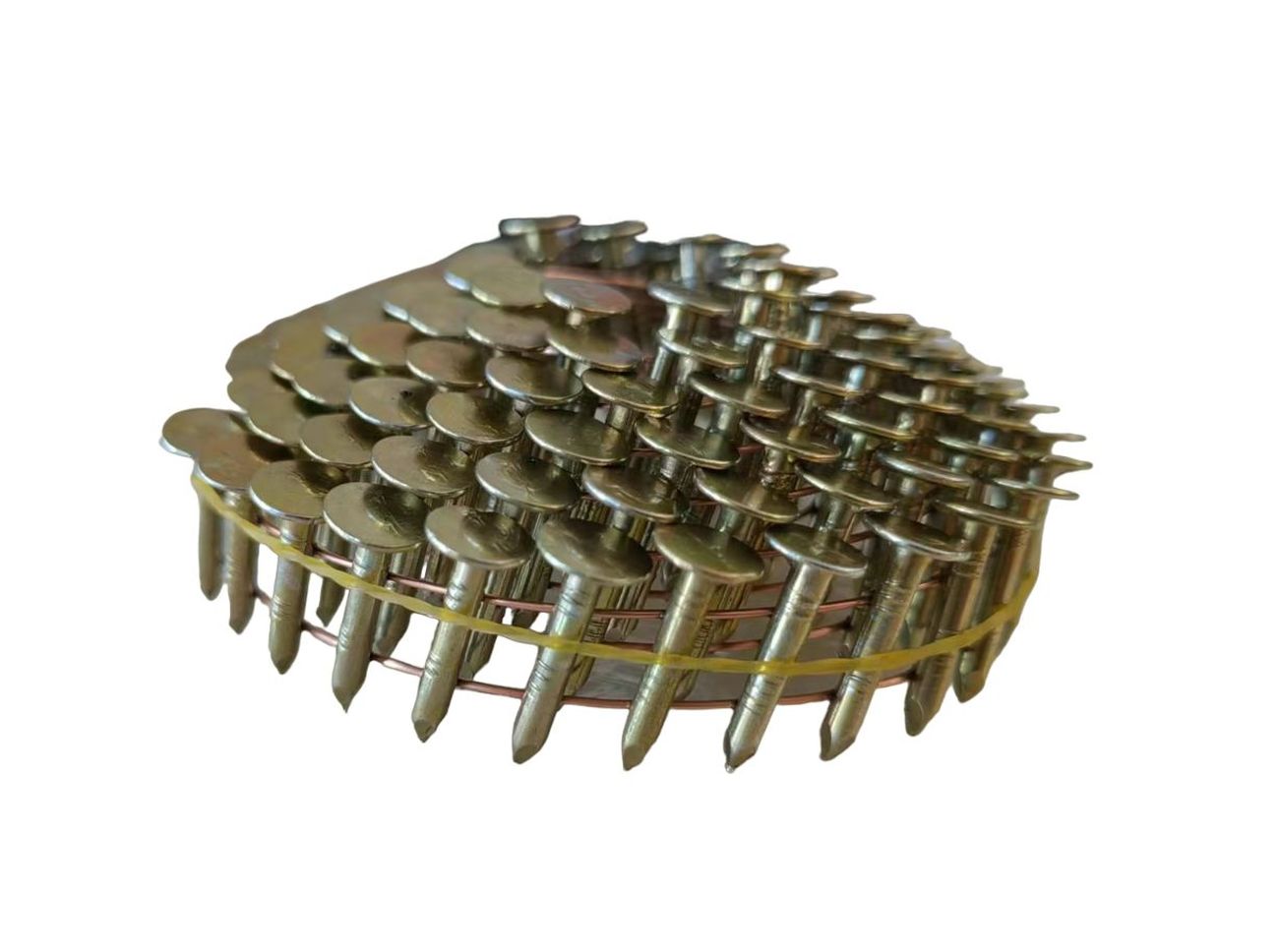
Roofing is different. It faces sun rain and moisture every day. So you need nails that do not fail easily. Products like 13-362 and 13-364 electrogalvanized coil roofing nails are used because they resist rust and stay reliable for longer periods.
Coil Nails
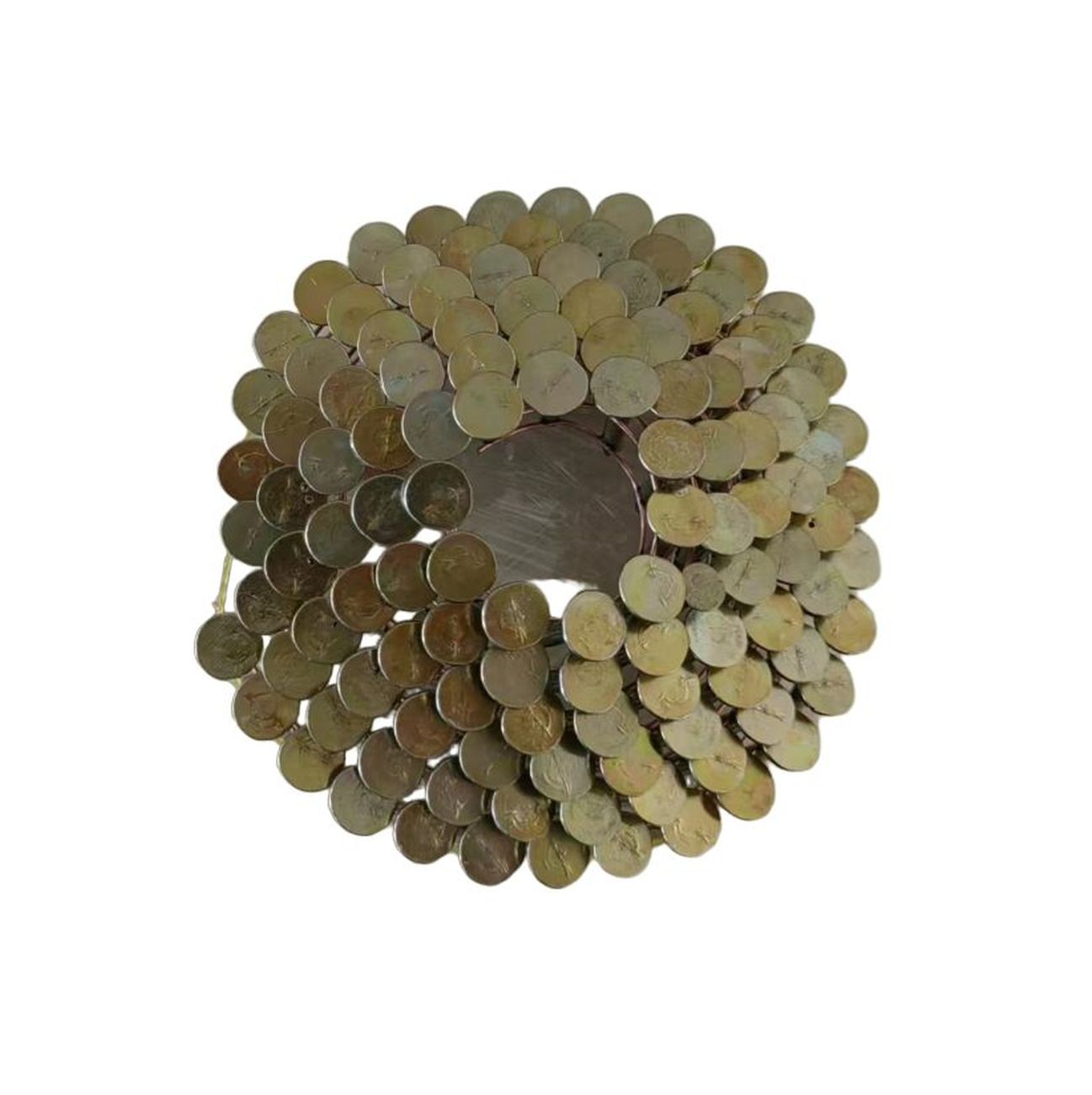
Now in high volume work speed matters a lot. You cannot keep stopping. Coil nails help here. They come in bulk loading and run smoothly in nail guns. This improves work speed and reduces downtime on site.
Staples
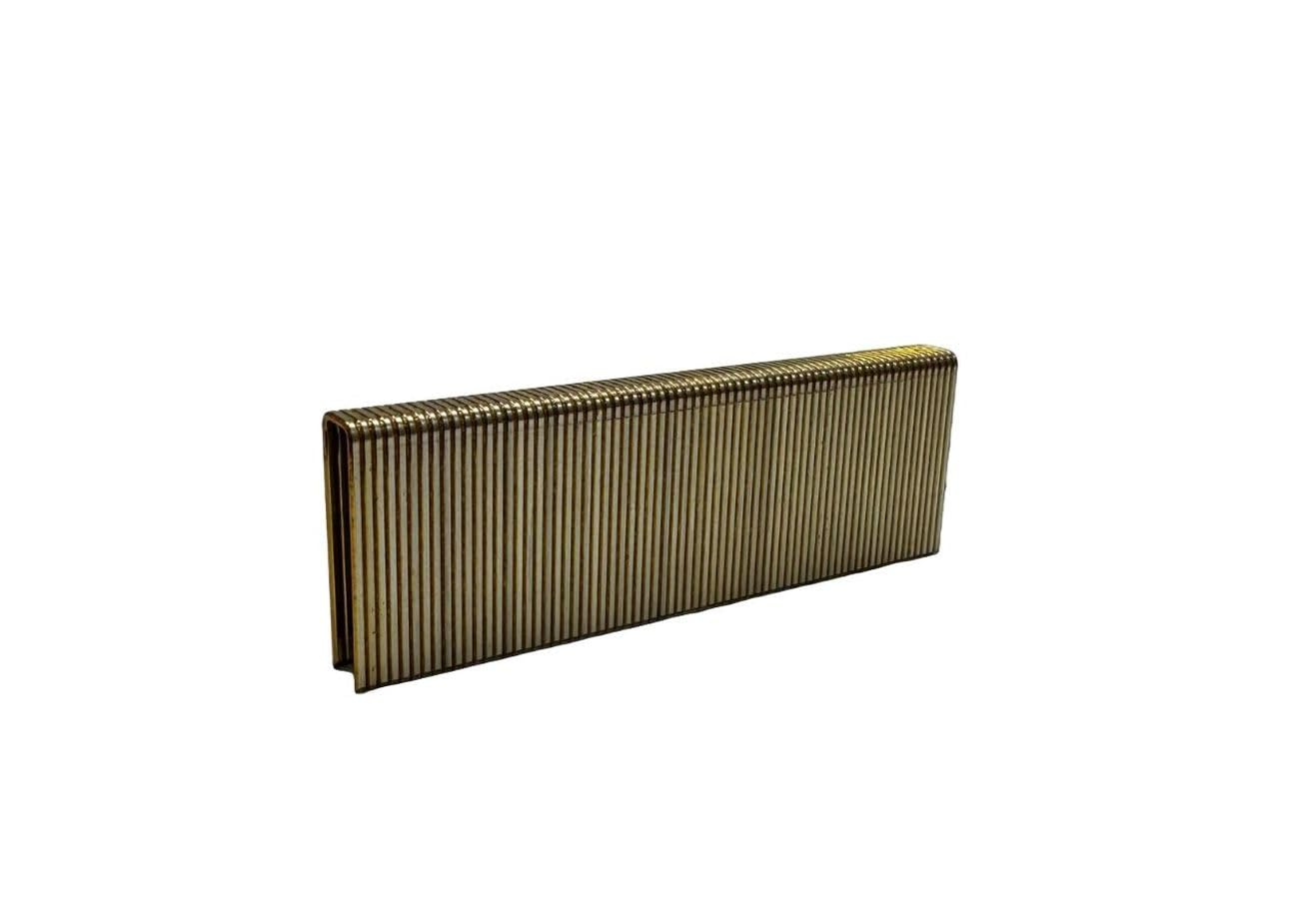
Staples are kind of underrated but very useful. They spread pressure across a wider area. That helps when you are working with sheet metal wood or insulation. Products like 13-419 N style and 13-420 GWS style staples give that wide grip and better hold.
Masonry Nails
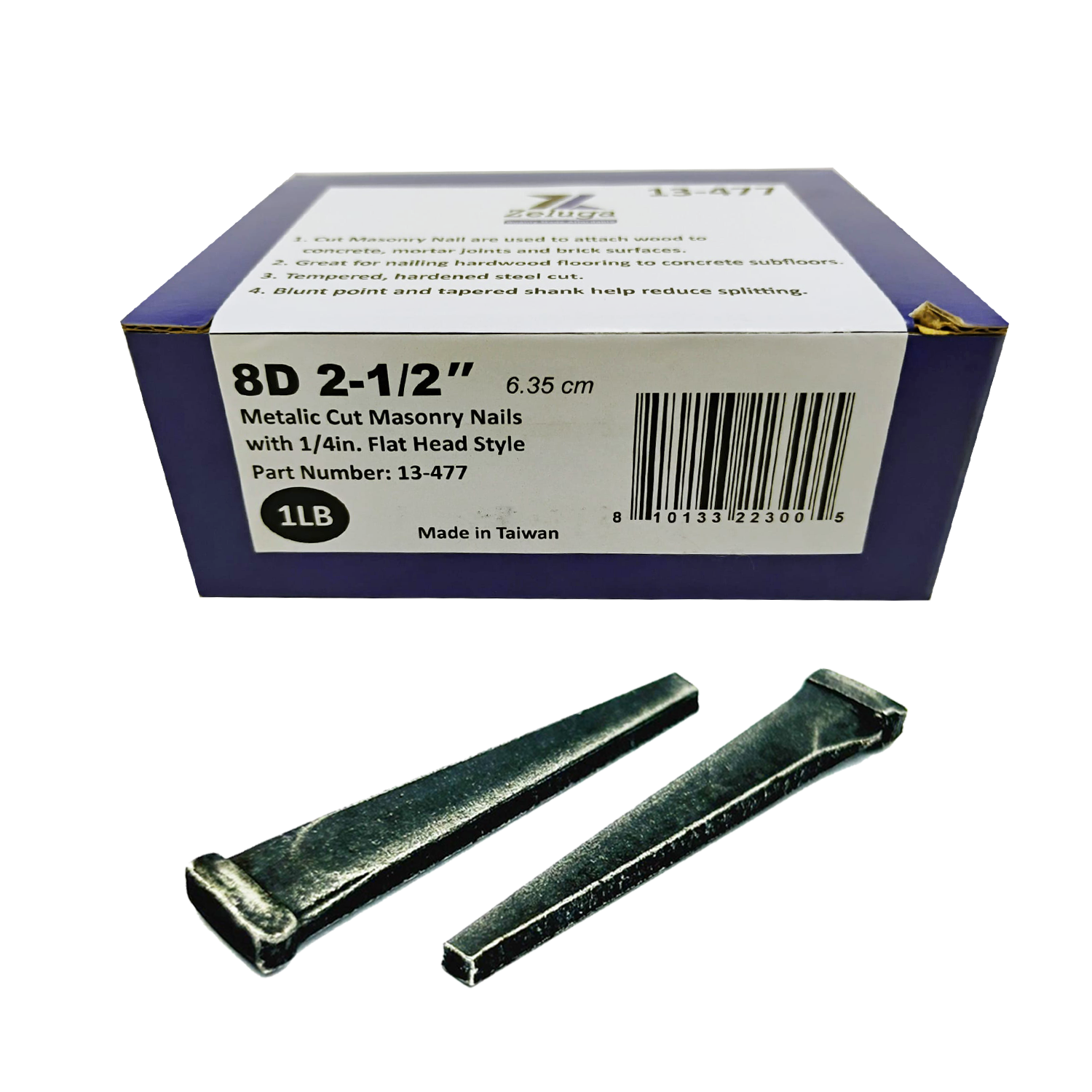
Concrete and brick are not easy surfaces. You need something that can actually penetrate and stay firm. Metallic cut masonry nails like 13-477, 13-478 and 13-479 are designed for this. They go in hard surfaces and stay stable.
Powder Actuated Fasteners

In some jobs you need serious fixing strength. This is where powder actuated fasteners are used. They drive directly into concrete or steel. For example 13-495 drive pins are used when strong and quick installation is needed on demanding sites.
Materials Used in Fasteners
Carbon steel fasteners
These are commonly used. They are strong and cost effective. You will see them mostly in indoor applications. But without coating they are not ideal for outdoor use.
Stainless steel fasteners
If you are dealing with moisture or outdoor conditions this is a better choice. Stainless steel resists rust and lasts longer. That is why it is used in exposed environments.
Alloy steel fasteners
These are made for strength. When the load is high or the job is demanding alloy steel performs better. It is used in industrial and heavy duty applications.
Galvanized steel fasteners
Here a coating is added for protection. This helps against corrosion. That is why they are commonly used in roofing and outdoor construction work.
Special material fasteners
Some environments are extreme. Chemicals heat or moisture can affect performance. In such cases special material fasteners are used for better resistance and durability.
Types of Coatings and Why They Matter
Electrogalvanized coating
This is where most people start. It gives basic rust protection. You will see it in roofing nails and staples. Works fine in moderate exposure. But in harsh weather it may not be enough.
Hot dip galvanization
This one is thicker. You can actually feel the difference. It holds up better in outdoor conditions. If the job is exposed to rain or moisture this becomes a safer choice.
Vinyl coating
Not just about protection. It also improves grip. When you drive the fastener it goes in smoother. And in wood it helps reduce splitting which you will notice in real work.
Phosphate coating
Mostly used indoors. It gives light corrosion resistance. Also helps with paint adhesion. You will see it more in controlled environments not outside jobs.
Stainless finish
No coating needed here. The material itself resists rust. This is used in harsh environments where moisture and exposure are constant. Long term reliability is the main reason.
How to Choose the Right Fastener
Based on material
You have to start here. Think about what you are fixing into. Wood needs wood screws. Concrete needs screw anchors. If this is wrong everything else will not matter much.
Based on load
Now think about weight and stress. Light work can handle basic fasteners. But heavy loads need stronger ones. Framing nails or alloy steel fasteners perform better in structural jobs.
Based on environment
You know how weather affects metal. Outdoor jobs need protection. Stainless steel or coated fasteners handle moisture better. Indoors you can go with simpler options.
Based on tool compatibility
This part is often ignored. But it matters. Nail guns need correct angle and collation. Like 21 degree or 30 degree. If it does not match your tool you will face jams.
Based on application type
Every job is different. Roofing framing and masonry all have their own demands. When you match the fastener with the job type you get better performance and fewer problems.
Common Mistakes Contractors Make
Using wrong size
This happens a lot. Small fasteners do not hold well. Very long ones can damage the material. You need the right balance for proper holding power.
Ignoring coating
People often skip this. Then rust shows up. Especially in outdoor work. Over time the joint weakens and you end up doing the job again.
Wrong type selection
Using wood screws in concrete or wrong nails in roofing sounds small. But in real work it creates failure. The fastener just does not perform as expected.
Poor quality fasteners
Low quality fasteners create problems you know. They bend. They break. Sometimes they jam tools. This slows down the whole job and increases cost.
Ignoring tool match
You might think any fastener will work. But it does not. Wrong type or angle leads to tool jams. And once that starts productivity drops fast.
Fasteners for Different Applications
Construction
In construction you need speed and strength together. Framing nails and staples are used a lot. They go in fast and hold well in wood. This is what keeps the structure stable during and after the build.
Roofing
Roofing is exposed all the time. Sun rain and moisture are always there. So coated roofing nails become important. They resist rust and keep their grip even after long exposure.
Masonry
Concrete and brick are not forgiving materials. You cannot use normal fasteners here. Masonry nails and screw anchors are designed for this. They give strong fixing and stay in place under load.
Industrial use
Industrial work is different. Loads are higher. Materials are tougher. Powder actuated fasteners and machine screws are used here. They give deep penetration and strong fixing in steel and heavy structures.
Why Contractors Choose Zeluga Fasteners
In real jobs consistency matters more than anything. Contractors do not want surprises. They want fasteners that work every time. Zeluga focuses on that. Products like 13-254 framing nails, 13-362 roofing nails and 13-495 drive pins are made for actual job conditions. Whether it is framing roofing or masonry the focus stays on holding power and durability. For bulk orders and minimum quantity supply you can reach out to the Zeluga team directly.
Conclusion
Fasteners may look small but they decide how strong your structure will be. The right choice improves safety and performance. When you understand materials coatings and applications you avoid common mistakes. It becomes easier to select what actually works. And when everything matches the job the results are better. If you are planning bulk sourcing or need consistent supply get in touch.
Contact Zeluga for Wholesale and Supply
If you are working on a project and need reliable fasteners this is where the right supplier matters. Zeluga supports contractors and distributors with consistent quality and bulk availability. If you are looking for wholesale supply or minimum order support you can contact the team and get started.
Read More:
Leading High-Quality Fastener Manufacturer & Dealer in USA
FAQs
1. What is the difference between flat head and hex head fasteners
Flat head sits flush with the surface. Hex head gives better grip for tools during tightening.
2. When should I use stainless steel fasteners?
When the environment has moisture or corrosion risk. Especially outdoor or exposed areas.
3. What are machine screws used for?
They are used in metal parts where precise fitting is needed. Common in machines and assemblies.
4. Are wood screws and framing nails same?
No they work differently. Wood screws give tighter grip. Nails are faster for framing work.
5. What is holding power in fasteners?
It means how well a fastener stays fixed under load without loosening.