
Introduction
Fasteners are one of the most important components used in construction and industrial work. Think about a roofing sheet on a factory. Or a steel frame inside a warehouse. Or wooden panels in a house. Do you think they can stay secure without the right fasteners?
Definitely not, that is why fasteners play a big role in almost every project you see around you. Today, industries use different types of fasteners for different jobs.
Some projects need framing nails for wood structures. Some need roofing nails for weather resistance. Others depend on screws, nails, staples, masonry nails or powder-actuated fastening systems for heavy industrial installation.
Each fastener is designed for a specific purpose. And when you choose the right one your project becomes stronger and faster to complete.
What Are Fasteners?
Fasteners are components that join two or more materials together. They lock surfaces in place so the structure stays stable during pressure, vibration and movement.
Fasteners act like the hidden support system inside a project.
For example imagine you are installing metal roofing sheets on a warehouse. The sheets may look strong from outside. But without the right fasteners they can shift loosen or even lift during strong wind.
That is why fasteners matter in almost every industry.
It is also important to understand that not all fasteners work the same way. Some are made for temporary connections. You can remove them later during repair or maintenance. Others are designed for permanent holding where maximum grip strength is needed.
Fastener material also changes the performance during job. If your project faces moisture or outdoor weather you may need stainless steel fasteners to prevent rust. For framing and roofing many contractors use electrogalvanized fasteners because they provide coating protection and reliable holding strength.
Types of Fasteners with Uses & Applications
1. Framing Nails
Framing nails are built for tough wood construction work. You can use them in house framing, wall sections, roof structures, subfloors and even wooden support systems.
Framing nails are made for a strong grip and fast installation.
On job sites you may usually use pneumatic nail guns instead of manual hammering. This helps you work much faster. It also saves your time on large construction projects where thousands of nails are used every day.
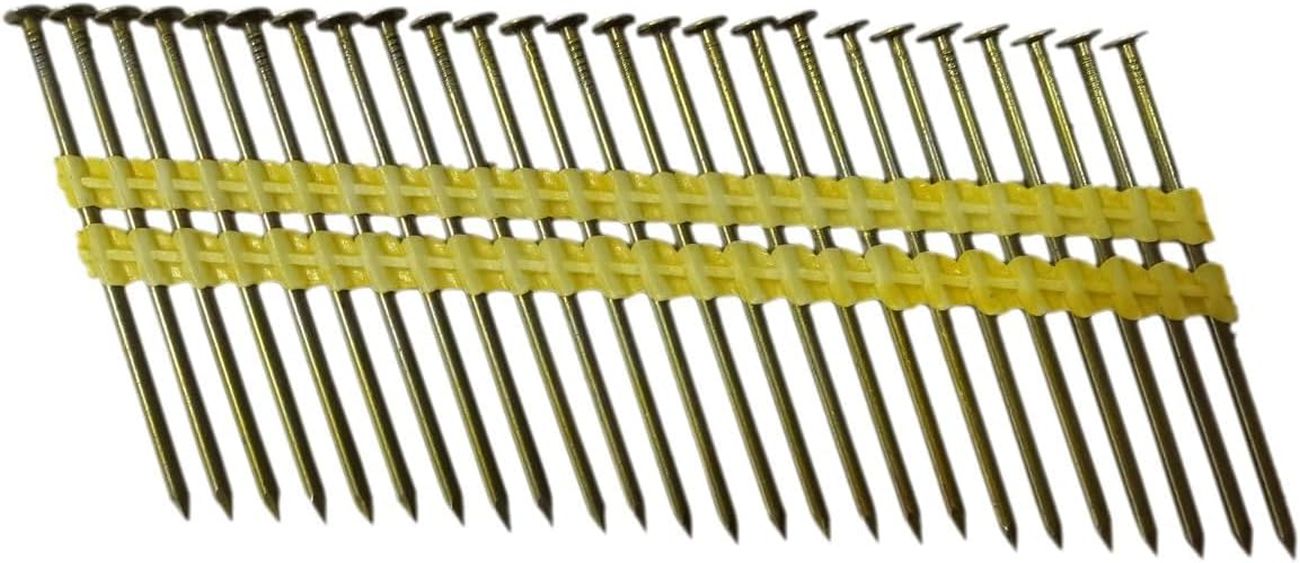
Different framing jobs need different nail designs. Plastic collated framing nails are common for high-speed installation. Round head framing nails are popular when extra holding strength is needed. Clipped head paper tape framing nails are designed for compact loading.
You will also find vinyl-coated framing nails on many job sites. These nails are designed to drive through wood more smoothly.
Our Range:
- 13-254 21 Degree Round Head Plastic Collated Vinyl Coated Framing Nail 4000/Box
- 13-286 21 Degree Plastic Collated Vinyl Coated Round Head Framing Nail 4,000/Box
- 13-533 30 Degree 3” x .120” Framing Nails, Smooth Shank, Clipped-Head, Paper Tape, 2500/Box
2. Roofing Nails
Roofing nails are made for one job. Keeping roofing materials locked in place for years.
If you’re working on a large roof in the summer heat. You cannot stop every few minutes to reload nails. That is why most roofing crews use coil roofing nails. It helps you move faster and finish large roofing sections without slowing down.
The weather is another big problem on roofs. Rain, heat, wind and moisture can damage normal fasteners over time. That is why electrogalvanized roofing nails are used in many residential and commercial roofing projects. The protective coating helps fight surface rust during outdoor exposure.
Smooth shank roofing nails are popular because they enter materials cleanly. They work well with asphalt shingles and roofing underlayment. You get stable fastening without damaging the roofing layer.

Our Range:
3. Crown Staples
Crown staples are used when you need a wider holding area and faster fastening speed.
Imagine you are working with insulation sheets or wooden sheathing panels. If you use a normal nail the material may crack or move. Crown staples spread the holding pressure across a wider surface. This helps you protect the material while keeping it secure.
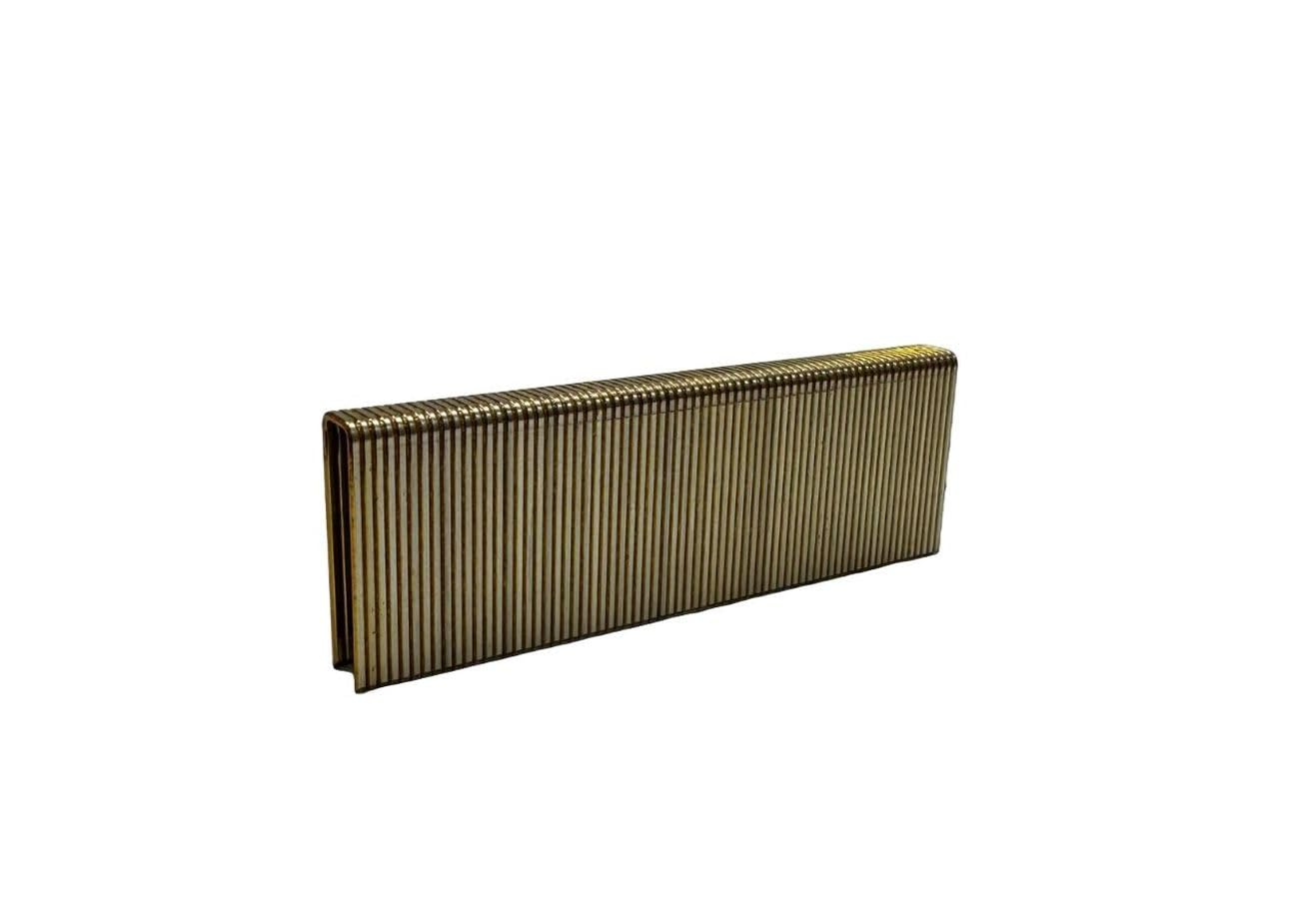
Medium crown staples are often used in construction work. They are common in sheathing and insulation installation. Wide crown staples are used more in packaging, crating and factory production because they grip larger areas better.
Our Range:
- 16 Gauge Electrogalvanized N-Style Medium Crown Staples 10,000/Box | SKU: 13-419
- 16 Gauge Electrogalvanized GWS-Style Wide Crown Staples 10,000/Box | SKU: 13-420
4. Masonry Nails
Masonry nails are built for hard surfaces like concrete and brick. Normal nails usually bend when you hit concrete walls. Masonry nails are different. They are hardened to handle dense materials during heavy installation work.
If you are attaching wood strips to a concrete wall. A regular nail may fail after a few hammer hits. Masonry nails are designed to penetrate tough surfaces while maintaining grip strength.
Metallic cut masonry nails are popular because their hardened build improves penetration performance. You can use them on brick walls, concrete blocks and masonry attachment jobs where strong holding power matters.
You can also use masonry nails to reduce cracking risk. You get a more stable installation without damaging the surrounding surface too much.
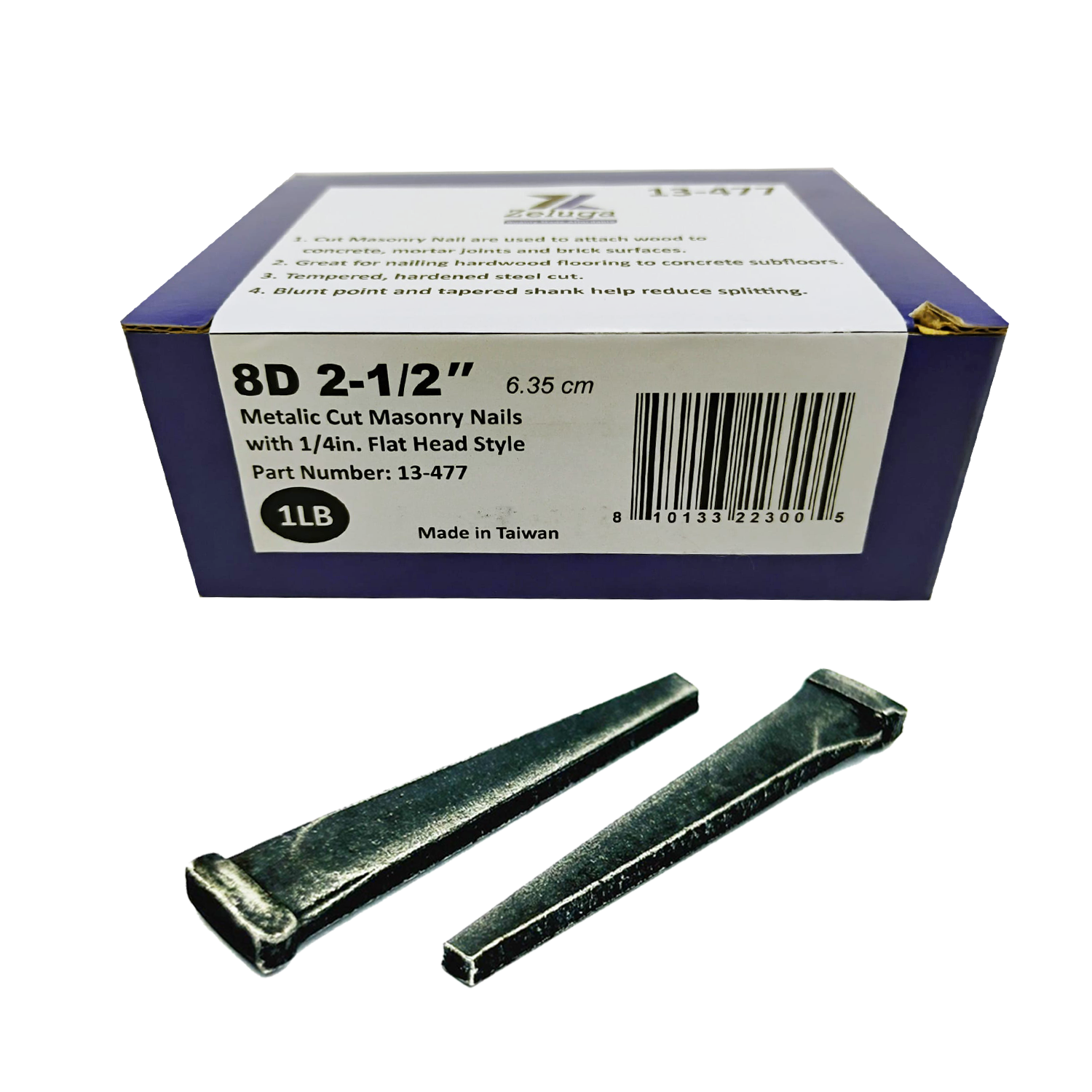
Our Range:
5. Powder Actuated Fasteners
Do you know that powder-actuated fasteners are used for heavy-duty structural fastening? These systems are much stronger than standard fastening methods. They use controlled power loads to drive hardened pins directly into steel and concrete surfaces.
Imagine working on a commercial job site with thick concrete floors and steel framing. Drilling every connection would slow the entire project. Powder-actuated fastening systems help you work faster while maintaining strong installation performance.
Watered drive pins are commonly used because they improve holding stability and reduce pull-through risk during structural installation.
Powder-actuated fasteners are common in steel framing, concrete attachment and industrial construction work.

Our Range:
Read More : Different Types of Fasteners and Their Uses Explained
Looking for Reliable High-Grade Fasteners in USA? Contact Zeluga
A fastener may look small in your hand. But on a real jobsite it carries big responsibility. That is why contractors across the USA look for fastening products they can trust every single day.
Zeluga supplies high-grade fasteners built for real construction and industrial work. Our products are used in framing, roofing, concrete fastening, packaging and heavy installation projects where strength and consistency matter most.
Each product is made to improve holding strength reduce corrosion problems and support faster installation on busy jobsites.
Get in touch with our team for Fastener bulk purchase and MOQ enquiry.
Read More: Leading High-Quality Fastener Manufacturer & Dealer in USA
Conclusion
When you choose the correct fastener type your installation becomes safer stronger and faster.
That is why contractors and industrial buyers focus on more than just price. They look for durability, holding power and reliable performance in real working conditions.
The right fastener saves time, reduces repair risk, and helps your project last longer.
FAQs
What is the difference between electrogalvanized and vinyl coated fasteners?
Electrogalvanized fasteners help fight rust during outdoor exposure. Vinyl coated fasteners improve grip and help reduce loosening during installation.
Why are collated fasteners used in construction projects?
Collated fasteners help your crew work faster. They feed smoothly into pneumatic tools and reduce stopping time during repetitive work.
What is the purpose of smooth shank fasteners?
Smooth shank fasteners are used for quick and clean penetration. They are common in framing roofing and general construction work.
Where are wide crown staples commonly used?
Wide crown staples are often used in sheathing insulation packaging crating and industrial manufacturing projects.
Why do contractors use powder actuated fastening systems?
These systems help fasten steel into concrete much faster. They reduce manual drilling and improve jobsite productivity.
What causes fastener corrosion in outdoor applications?
Rain moisture weather exposure and poor coating protection are common reasons behind outdoor fastener corrosion.
How do contractors choose the right fastener size?
Your fastener size depends on material thickness holding strength installation method and jobsite conditions.
Why are masonry nails hardened?
Concrete and brick surfaces are very dense. Hardened masonry nails help prevent bending during installation.
What industries use industrial fastening systems?
Construction roofing packaging furniture manufacturing warehouse operations and industrial assembly all depend on fastening systems every day.
Why is fastener compatibility important with pneumatic tools?
Correct fastener compatibility helps tools run smoother. It reduces jamming and supports safer faster installation on high volume jobsites.