

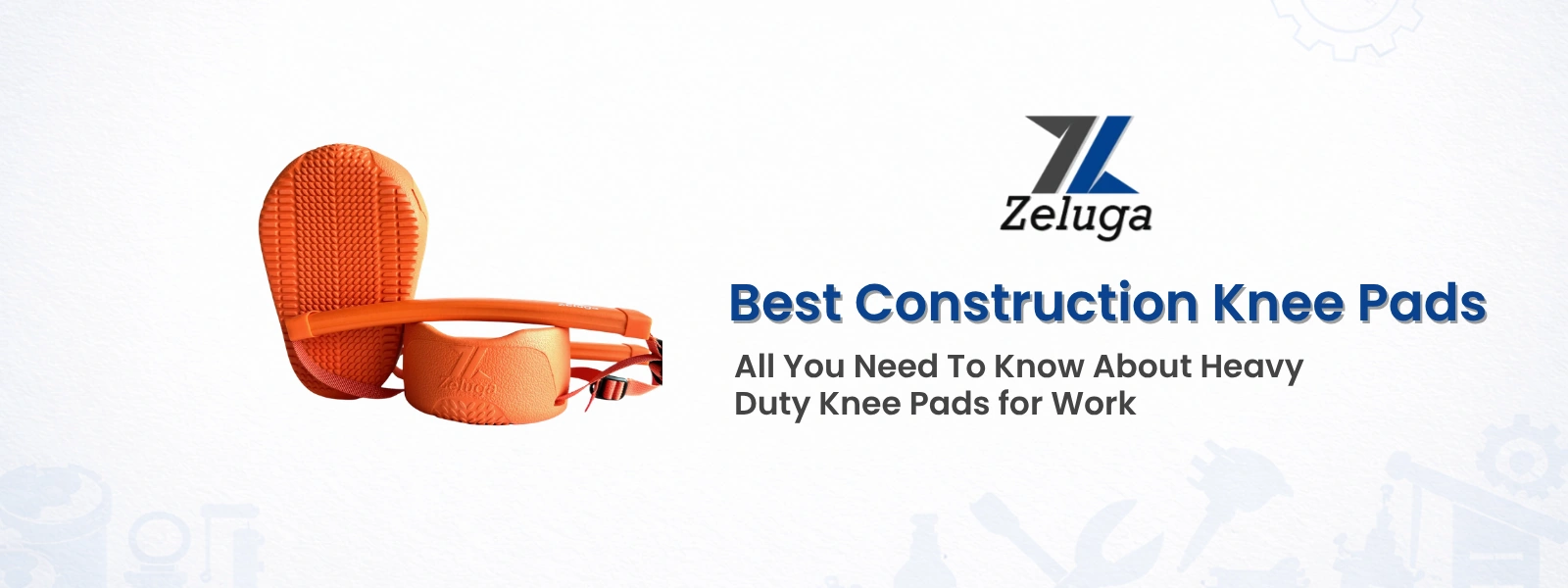
When you work on construction sites, kneeling can become part of your daily routine. You may work on concrete, flooring, roofing or other hard surfaces. The right knee pads can add cushioning, improve comfort and provide protection while you work.
But choosing knee pads is not simply about buying the thickest option available. You need to consider your job, working surface, movement, fit, straps, protection and how long you wear them each day. This guide helps you understand those factors before choosing construction knee pads.
What Are Construction Knee Pads?
Construction knee pads are protective work equipment designed to support your knees while you kneel, move and work on demanding surfaces. They combine cushioning, protection and secure fitting systems.
You may see different designs in the market. Some focus mainly on soft cushioning. Others provide stronger external protection. Some give you more flexibility. The right design depends on what your work requires.
Why Do You Need Knee Pads for Construction Work?
Construction Work Often Requires Kneeling
Many construction tasks require you to work close to the ground. Flooring, installation, repair and finishing work can involve repeated kneeling. Knee pads reduce direct contact with hard surfaces.
Hard Surfaces Can Create More Pressure
Concrete, tile, wood and other construction surfaces can feel very hard when you kneel on them. Padding creates a barrier between your knees and the working surface.
Repeated Kneeling Changes What You Need
Kneeling once for a few minutes is different from kneeling repeatedly throughout your workday. If your job involves frequent kneeling, cushioning, fit and comfort become more important.
You Still Need Freedom of Movement
Your knee pads should not make normal work movements difficult. You may need to stand, crouch, walk, bend and kneel repeatedly. Flexibility can therefore matter as much as protection.
What Makes a Good Construction Knee Pad?
There are many feature that makes a knee pad suitable for every construction worker. You should judge the design based on your job, surface, movement and expected use.
Padding and Cushioning
Padding helps reduce the direct pressure you feel when your knees contact a hard surface. EVA and foam are common choices for cushioning in work knee pads.
EVA Padding
EVA padding is commonly used where cushioning and comfort are important. It can provide a soft layer between your knee and the outer part of the knee pad.
Thick Foam Liners
A thick foam liner can provide additional cushioning during prolonged kneeling. This can be useful when your work requires you to remain close to the ground for extended periods.
Outer Protection
Some knee pads include a protective outer section over the padded area. This can provide another layer between your knee and the surface while you work.
Anti Slip Surfaces
An anti-slip surface helps reduce unwanted movement between the knee pad and the working area. This can be useful when you frequently change position during work.
Non Skid Designs
Non skid materials are intended to provide better grip and reduce sliding. They can be particularly useful when you need your knee pads to remain positioned while moving.
Double Straps
Double straps can help hold a knee pad securely around your leg. They also allow the pad to be positioned more firmly around the knee.
Secure Fit
A knee pad should stay properly positioned when you kneel and move. If it constantly shifts, you may spend more time adjusting it than focusing on your work.
Flexibility
Flexibility matters when your job requires frequent movement. A flexible design can allow you to bend and change positions more naturally while keeping protective material around the knee.
Durability
Professional work exposes knee pads to repeated use and demanding surfaces. You should consider the construction, materials, straps, padding and protective components before choosing a pair.
Different Types of Construction Knee Pads
You will find several construction knee pad designs. They are not interchangeable in every situation. Each design balances cushioning, protection, flexibility, stability and comfort differently.
Soft Padded Knee Pads
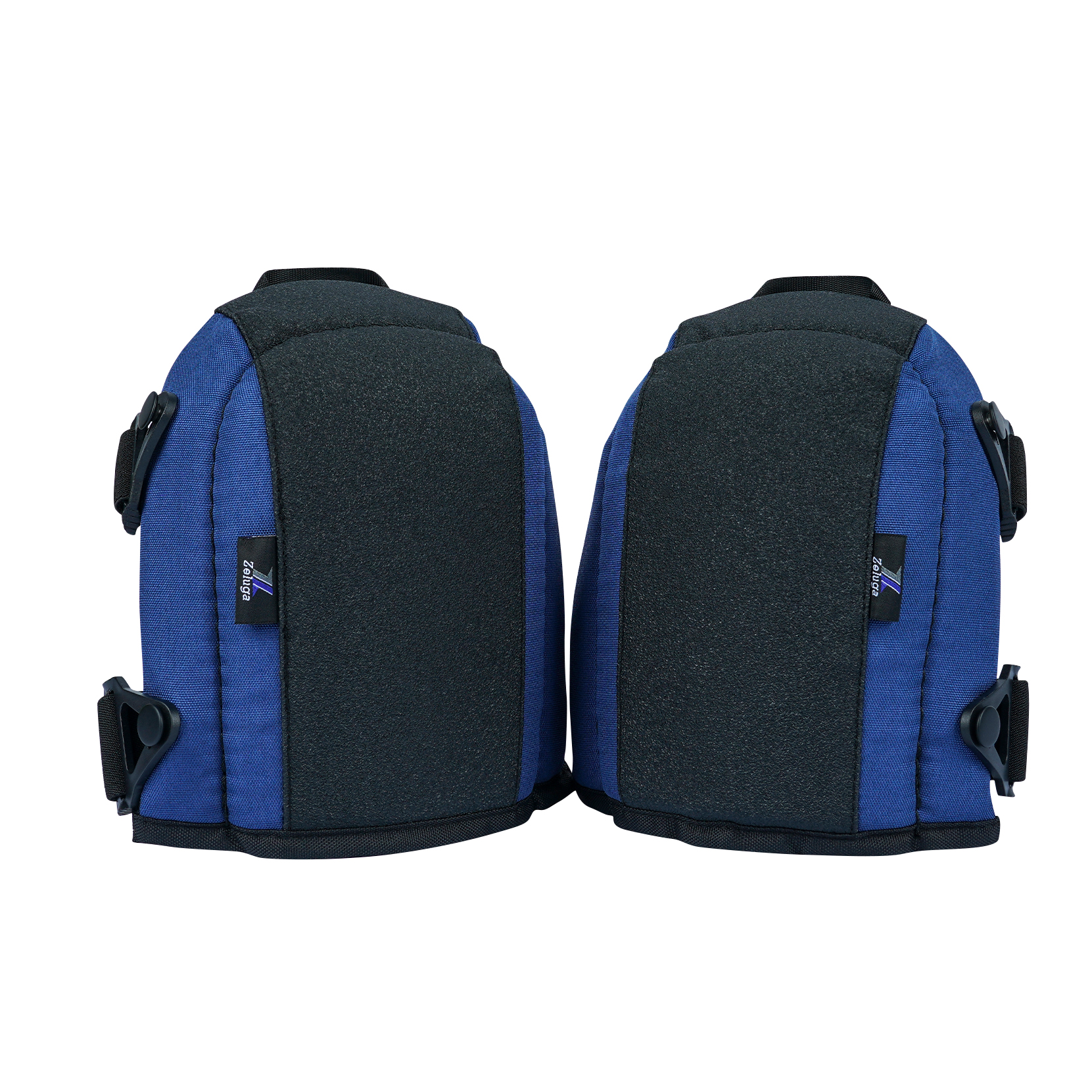
Soft padded knee pads focus primarily on cushioning and comfort. They can be useful when you spend considerable time kneeling but do not need a highly rigid protective exterior.
Heavy Duty Knee Pads
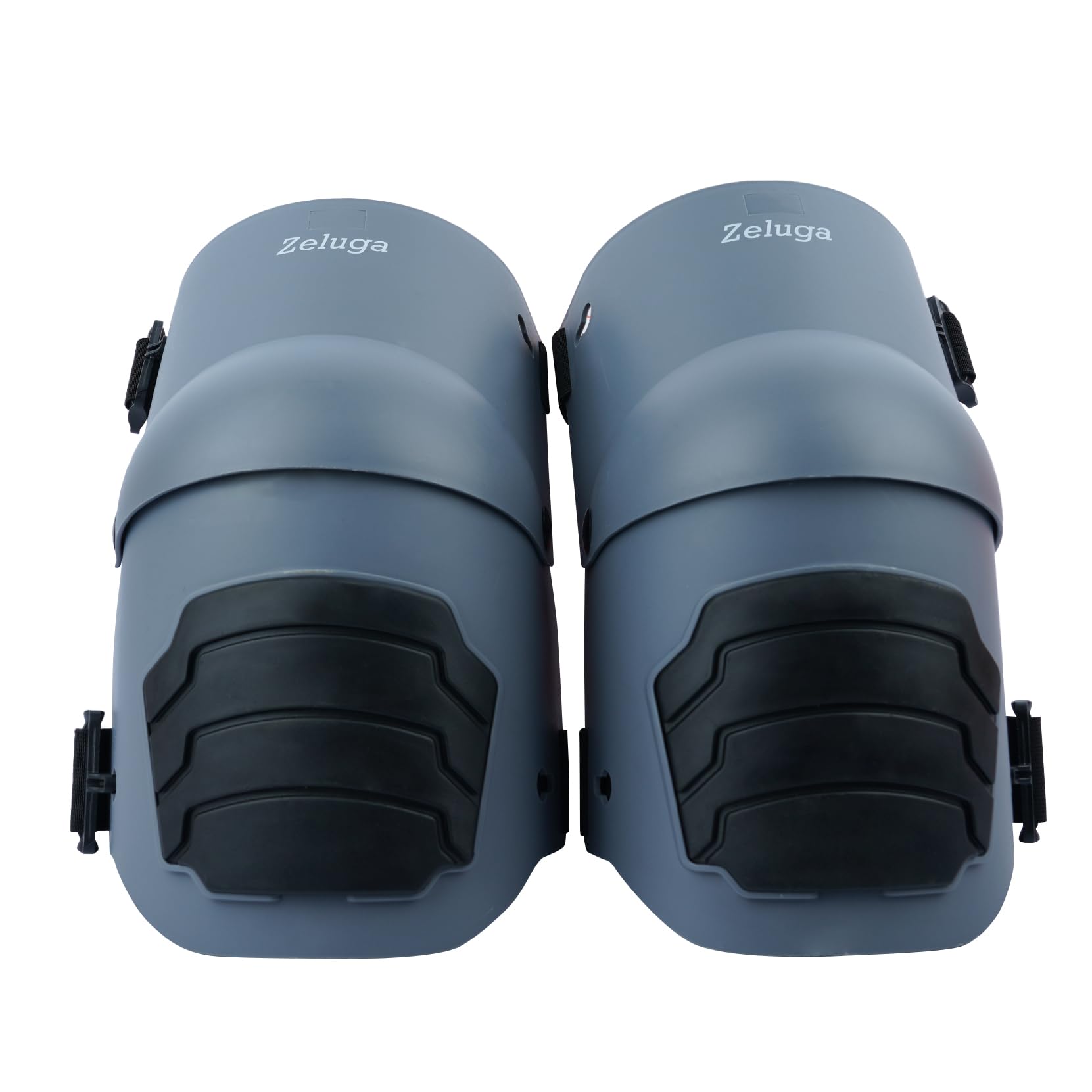
Heavy duty knee pads are designed for workers who need a more robust protective design. Look for strong construction, secure straps, stable positioning and suitable cushioning.
Flexible Knee Pads

Flexible knee pads are designed for workers who need to move frequently. They can be useful when your work involves repeated transitions between kneeling, crouching, bending and standing.
Knee Pads With Protective Shields
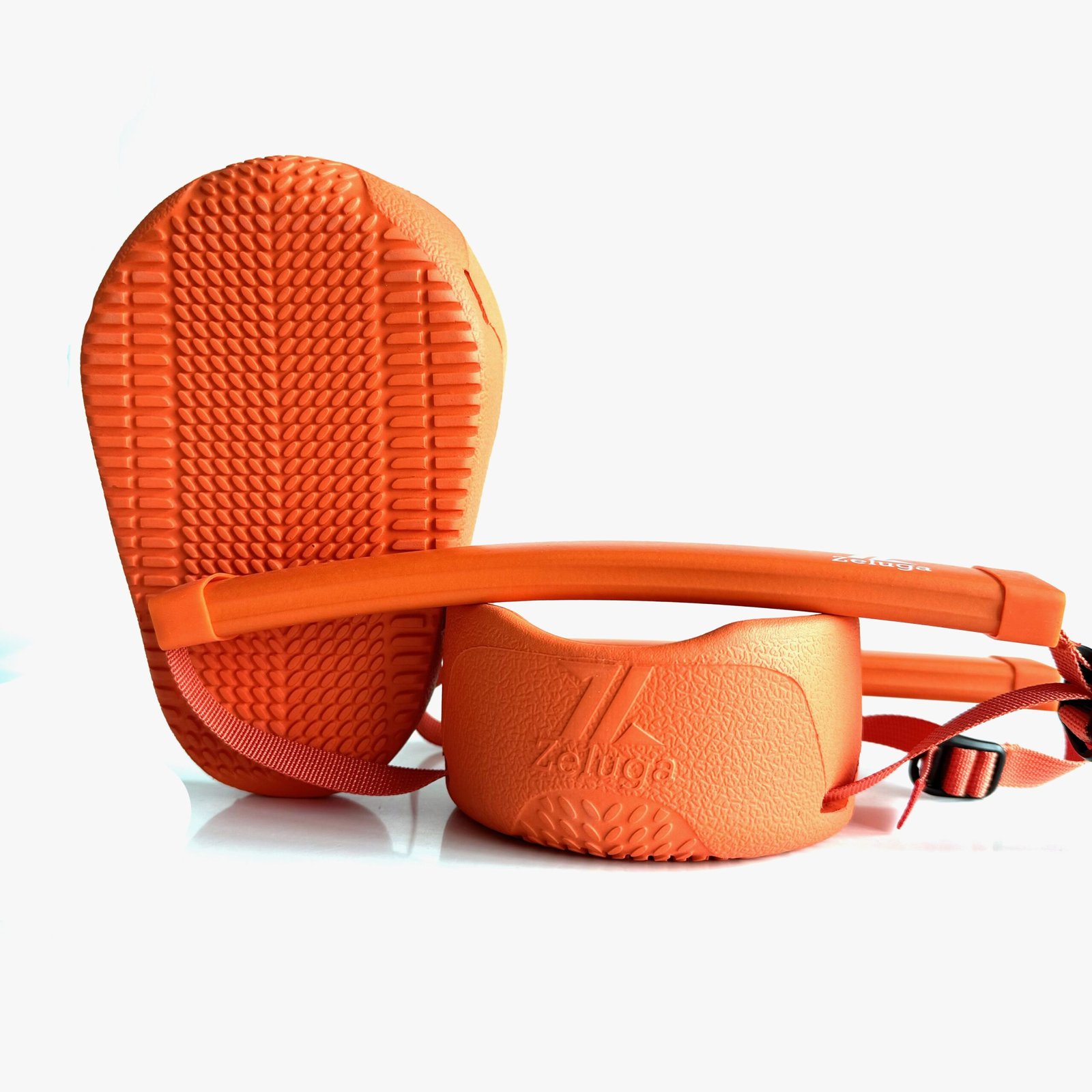
Some designs combine padding with an external shield. This gives you cushioning against the knee while adding a protective surface between your knee and the working environment.
What Should You Consider Before Buying Construction Knee Pads?
Your job should be the starting point when choosing knee pads. Think about where you work, how often you kneel and how much movement your work requires.
Consider Your Working Surface
Think about whether you normally work on concrete, flooring, roofing materials, wood or another surface. Harder surfaces may increase the importance of adequate cushioning and protection.
Consider How Long You Kneel
If you kneel for several hours, comfort becomes a major consideration. A design that feels fine briefly may not feel equally comfortable during prolonged daily use.
Consider How Much You Move
If your work involves frequent walking, bending and crouching, flexibility and secure positioning become important. You need protection that does not unnecessarily interfere with normal movement.
Consider Your Required Protection
Not every task requires the same level of protection. Think about the surfaces and conditions you encounter before deciding whether you need a lighter or heavier design.
Consider The Strap System
Check how the knee pad attaches to your leg. A secure strap system can help prevent movement and keep the protective area positioned over your knee.
How to Choose Knee Pads for Different Construction Jobs
Your job should influence your choice more than the product label. “Heavy duty” sounds useful, but your actual working position, surface and movement should guide your decision.
Knee Pads for Flooring Work
Flooring work often involves repeated kneeling for installation, fitting and finishing. You should prioritise cushioning, comfort, secure positioning and enough protection for hard flooring surfaces.
Knee Pads for Roofing Work
Roofing requires frequent movement across working surfaces. You should look for secure straps, stable positioning, suitable cushioning and a design that allows controlled movement while kneeling.
Knee Pads for Carpentry
Carpentry can require repeated transitions between standing, crouching and kneeling. Flexible construction, comfortable padding and reliable straps can help you work without constantly repositioning your knee pads.
Knee Pads for Plumbing Work
Plumbing often puts you in awkward working positions. You may kneel in confined spaces for extended periods. Cushioning, flexibility, secure straps and manageable bulk can matter.
Knee Pads for HVAC Work
HVAC technicians may work around equipment, floors and confined areas. You should consider a knee pad that balances cushioning, flexibility and secure positioning without unnecessarily restricting movement.
Knee Pads for Electrical Work
Electrical installation and maintenance can involve repeated kneeling while handling tools and components. A secure fit and comfortable cushioning can help when you frequently change working positions.
Knee Pads for Concrete Work
Concrete surfaces are hard and unforgiving. If you regularly kneel on concrete, consider adequate cushioning and suitable external protection. Durability also becomes important with repeated professional use.
Knee Pads for Masonry Work
Masonry work can involve rough surfaces and repeated kneeling. You should consider protection, cushioning, secure straps and durable construction based on the conditions you regularly encounter.
Knee Pads for General Contractors
General contractors may handle different tasks throughout a project. A versatile knee pad can make more sense when you need reasonable cushioning, protection, flexibility and stability across multiple applications.
Heavy Duty vs Lightweight Knee Pads
Heavy duty and lightweight knee pads serve different needs. You should not automatically assume that heavier construction means better protection or better comfort for your specific work.
When Heavy Duty Knee Pads Make Sense
Heavy duty designs can make sense when your work involves demanding surfaces, frequent kneeling or repeated daily use. Look for robust construction without ignoring comfort and mobility.
When Lightweight Knee Pads Make Sense
Lightweight designs can be useful when you need basic cushioning and protection while moving frequently. They may feel less restrictive during jobs involving constant standing and kneeling.
Is Heavy Duty Always Better?
No. A heavier design can provide useful protection, but additional material can also affect flexibility and comfort. Choose based on your working conditions rather than the name.
How Should Construction Knee Pads Fit?
Fit is important because even a well-designed knee pad can become difficult to use if it shifts constantly. Your knee should remain positioned correctly inside the protective area.
The Protective Area Should Cover Your Knee
The main protective section should sit over your knee when you are standing and kneeling. Poor positioning can reduce the practical benefit of the design.
Straps Should Hold the Pad Securely
Your straps should keep the knee pad positioned without creating unnecessary discomfort. Check the adjustment before starting work and make sure the pad does not shift.
Knee Pads Should Not Constantly Slide
If your knee pads repeatedly move during normal work, the issue may involve fit, strap adjustment or design. Constant movement makes the protection less practical during professional use.
You Should Be Able to Move Naturally
You should still be able to walk, crouch, bend and stand normally. If the knee pad feels excessively restrictive, consider a design with greater flexibility.
What Is the Difference Between Cushioning and Protection?
Cushioning and protection are related, but they are not exactly the same thing. Understanding the difference helps you choose a knee pad more accurately.
Cushioning Reduces Direct Pressure
Padding creates a softer layer between your knee and the working surface. EVA and foam materials are commonly used when cushioning and comfort are important.
Protective Materials Add Another Layer
A protective outer section can provide a physical barrier between your knee and the working environment. The exact protection depends on the design and materials used.
You May Need Both
For demanding work, you may want cushioning inside and protective material outside. This combination can provide a better balance between comfort and protection.
Common Mistakes When Buying Construction Knee Pads
Buying knee pads based only on appearance can lead to the wrong choice. Your work requirements should come first, especially when you purchase equipment for regular professional use.
Choosing Only by Price
A low price does not automatically mean poor quality, and a higher price does not automatically mean better suitability. Compare features against your actual working requirements.
Choosing Only the Thickest Padding
More padding can improve cushioning, but excessive bulk may affect movement. Consider how much cushioning you need and how freely you need to move.
Ignoring the Strap System
A good protective surface becomes less useful if the knee pad constantly moves. Check the strap design and make sure it can maintain stable positioning.
Ignoring Flexibility
Some jobs require frequent movement between standing, bending and kneeling. A rigid design may feel restrictive if your work depends heavily on mobility.
Buying Without Considering Your Work Surface
Your working surface matters. Concrete, flooring, roofing materials and other surfaces create different working conditions. Choose cushioning and protection based on where you actually work.
Assuming One Design Fits Everyone
Construction workers have different jobs and working styles. A flooring installer may need different features from a roofer, plumber, technician or general contractor.
How Long Should Construction Knee Pads Last?
There is no universal replacement period for professional knee pads. Their useful life depends on frequency, working conditions, materials, cleaning and visible wear.
Check the Padding
Look for compressed, damaged or deteriorated padding. If cushioning no longer provides its intended support, the knee pad may need replacement.
Check the Protective Surface
Inspect the outer protective area regularly. Cracks, serious damage or excessive wear can affect how the knee pad performs during work.
Check the Straps
Straps experience repeated movement and adjustment. Look for stretching, tearing, damaged attachment points or other signs that the knee pad is no longer secure.
Replace Damaged Knee Pads
Do not continue using badly damaged protective equipment simply because it is still wearable. If important components are compromised, replacement is the safer practical decision.
How to Choose the Right Construction Knee Pads for Your Work
Start with your working conditions. Then decide which features matter most. This approach is more reliable than choosing a knee pad based only on appearance or price.
If You Kneel for Long Periods
Prioritize cushioning, comfort, and stable positioning. EVA padding or thick foam can be useful when your work keeps you on your knees for extended periods.
If You Work on Hard Surfaces
Look for suitable cushioning combined with an appropriate protective exterior. Hard surfaces can make both comfort and protection important during repeated kneeling.
If You Move Frequently
Prioritize flexibility and secure positioning. Your knee pads should remain in place while allowing you to move naturally between standing, crouching and kneeling.
If Your Knee Pads Keep Slipping
Look for anti-slip or non-skid features and a secure strap system. Also check the fit and adjust the straps correctly before changing products.
If You Need Heavy-Duty Work Protection
Look for robust construction, secure straps, suitable cushioning and protective materials. Do not judge heavy-duty suitability from weight alone.
Zeluga Construction Knee Pads in Bulk
Looking for construction knee pads for your crew, contracting business or distribution needs? Zeluga supplies professional knee pad options with different combinations of cushioning, protection, flexibility and secure straps. You can choose based on your work requirements and application. For wholesale quantities, bulk supply or product information, get in touch with Zeluga to discuss your requirements and available options.
Conclusion
Choosing construction knee pads becomes much easier when you stop looking for one universal “best” product. Start with your work. Think about the surface, kneeling time, movement, protection and comfort you actually need.
Your knee pads should also fit properly. A well-designed product cannot perform as intended if it constantly shifts or restricts normal movement.
The goal is simple. You should choose knee pads based on how you work, not simply on how the product is described.
FAQs About Construction Knee Pads
What are the best construction knee pads for professional workers?
Your choice should depend on kneeling duration, working surface, movement, cushioning requirements, protection needs, fit and the type of construction work performed.
Are heavy duty knee pads better for construction work?
Heavy duty knee pads can suit demanding applications, but heavier does not automatically mean better. Compare protection, cushioning, flexibility, stability and comfort against your actual working conditions.
What knee pads are suitable for flooring workers?
Flooring workers often spend substantial time kneeling. Look for comfortable cushioning, stable positioning, suitable protection and straps that help keep the knee pad correctly positioned.
What features should I look for in professional knee pads?
Focus on cushioning, protective coverage, anti-slip characteristics, strap security, flexibility, fit, durability and intended application. Your working conditions should determine which features receive the highest priority.
Are EVA knee pads suitable for construction work?
EVA padding can provide useful cushioning for construction applications. Whether it is suitable depends on the required protection, working surface, kneeling duration, overall design and intended professional application.
Are foam-lined knee pads comfortable for long working periods?
Foam liners can provide cushioning during prolonged kneeling. Comfort still depends on thickness, density, fit, strap pressure, knee position and how the complete knee pad performs during movement.
Why are double straps used on construction knee pads?
Double straps provide additional points for securing the knee pad around your leg. They can help maintain positioning during repeated kneeling, standing, bending and other normal construction movements.
How do anti-slip knee pads help during construction work?
Anti-slip and non-skid features are designed to reduce unwanted movement. They can help keep the knee pad positioned more consistently, especially when your work involves frequent changes in position.
Can I buy construction knee pads in bulk?
Yes, construction knee pads can be purchased for crews, contractors, distributors and other commercial requirements. For bulk purchasing, contact Zeluga, confirm model numbers, specifications, quantity, packaging and supply availability.
What should I confirm before placing a wholesale knee pad order?
Confirm the exact model, specifications, features, quantity, packaging, availability and supply requirements. If you have a specific application, share it with the supplier before finalizing your order.