

Various kinds of hammers are designed for specific jobs involving hitting, driving, forming, demolishing, and protecting surfaces. The selection of the right hammer will depend on the weight of the head, shape of the face, claw/peen design, length of the handle, and materials used. Using the wrong type of hammer can be harmful and inefficient.
Different Types of Hammers at a Glance
| Hammer Type | Key Features | Primary Uses | Ideal For |
| Sledge Hammer | Heavy double-faced head, long handle | Demolition, driving stakes | Concrete, masonry, outdoor work |
| Pro Sledge and Club Hammer | Compact or heavy striking head | Controlled demolition, chisel striking | Construction and masonry |
| Pro Ball Peen Hammer | Flat face and rounded peen | Riveting and metal shaping | Mechanics and metalworkers |
| Curve Claw Smooth Face Hammer | Smooth face, curved nail claw | Driving and removing nails | DIY and general carpentry |
| Claw Hammer | Striking face and V-shaped claw | General fastening | Home and woodworking tasks |
| Framing Hammer | Heavy head, often milled face | Structural nail driving | Framers and builders |
| Finish Hammer | Lighter head, smooth face | Trim and detail work | Finish carpentry |
| Rip Hammer | Straight claw | Nail pulling and prying | Construction and renovation |
| Tack and Trim Hammer | Small, lightweight head | Fine fasteners | Upholstery and trim |
| Cross and Straight Peen | Wedge-shaped peen | Metal shaping and fastener work | Metalworking |
| Dead Blow Hammer | Shot-filled or rebound-reducing head | Controlled impact | Automotive and assembly |
| Rubber or Soft-Face Hammer | Non-marring striking surface | Gentle positioning | Flooring, tile and assembly |
Sledge Hammer
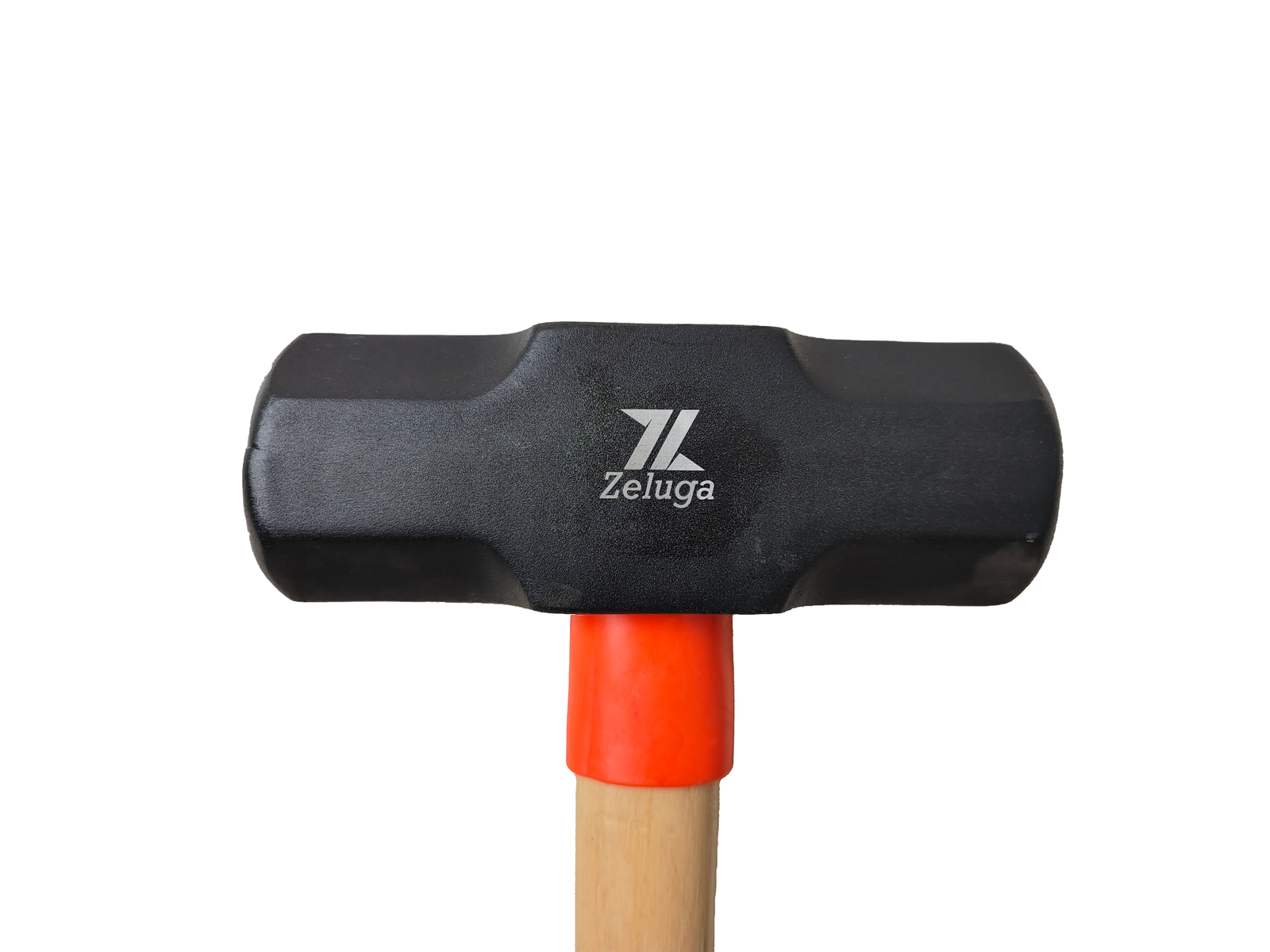
A sledge hammer is composed of a massive, double-headed steel head attached to a long wooden handle and available in various sizes depending on the required strength. The sledge hammer is used for demolition, masonry, concrete breaking, and driving stakes. Strike using the full swing, giving sufficient clearance between your body and the hammer.
Pro Sledge and Club Hammer
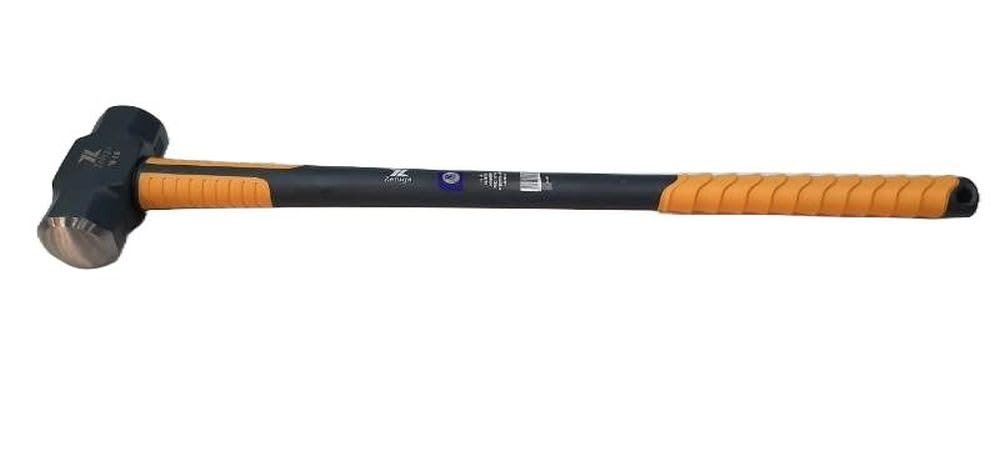
Club hammer and pro sledge are powerful tools designed with a more controlled delivery system compared to a conventional sledgehammer. Club hammers have small and double-headed steel heads. They are mainly used for masonry work and demolition as well as striking chisels. Be sure to match the size of the head with the type of job.
Pro Ball Peen Hammer
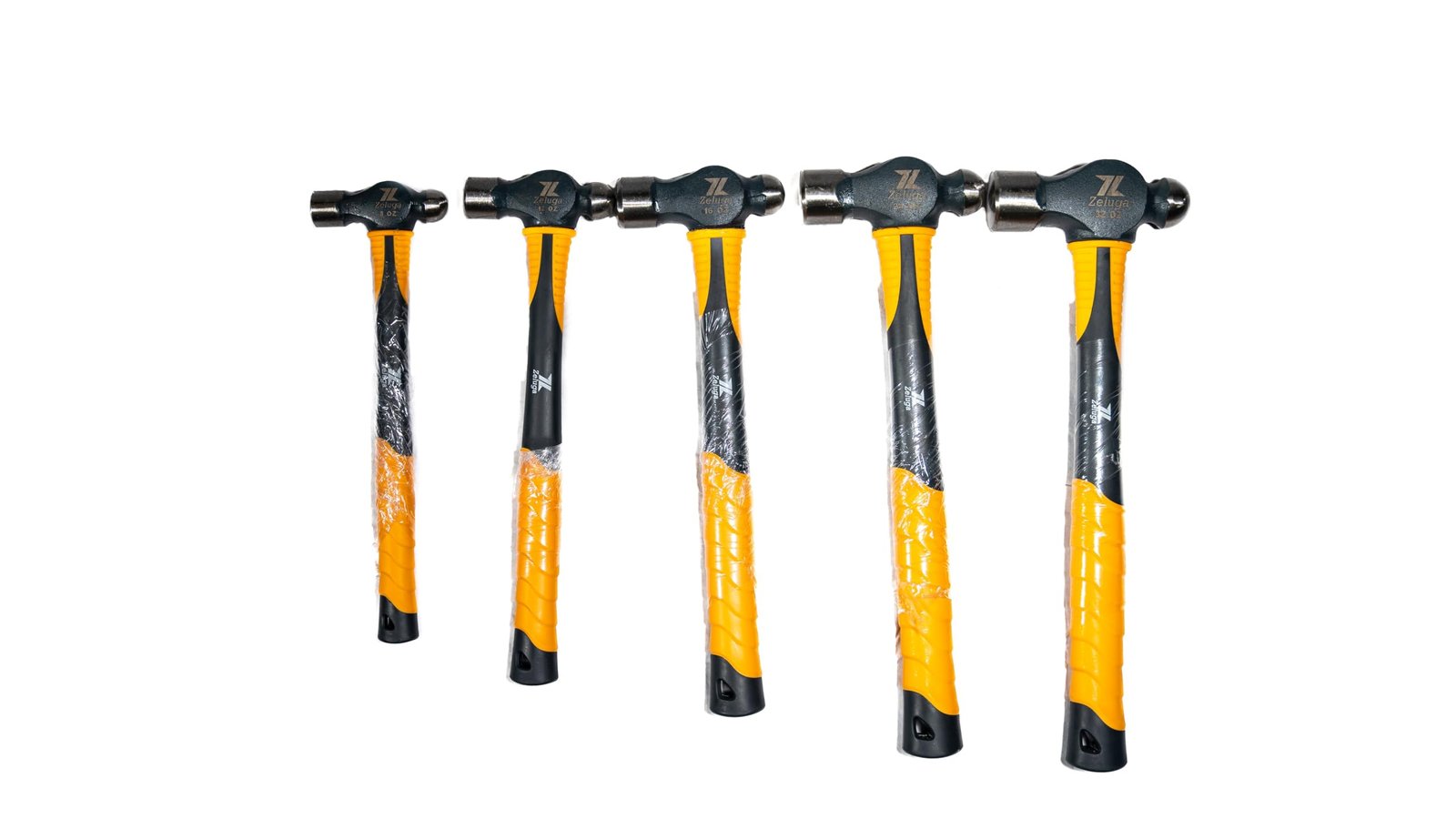
A pro ball peen hammer is a combination of the flat face and the round peen. It is useful for shaping metal, riveting, punch driving, and mechanical work. Typical sizes include light-duty precision type and heavy-duty workshop type. Use the flat face for striking and the round peen for working on metal without over-striking thin metal.
Curve Claw Smooth Face Hammer
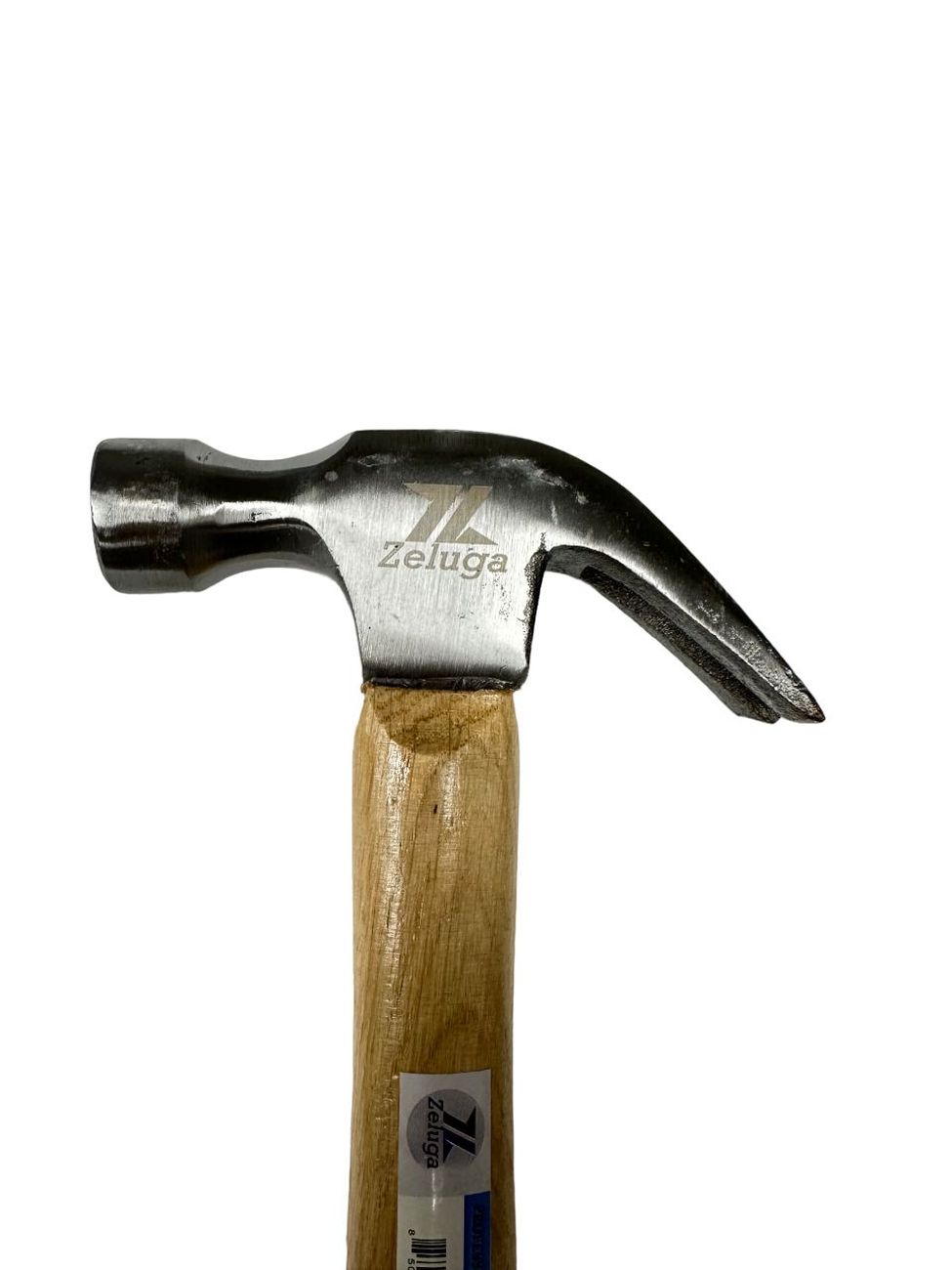
A curve claw smooth face hammer is a hammer that has a round or curved V-shaped claw opposite the flat and smooth striking face. This hammer is used for driving and removing nails. It is ideal for general carpentry and DIY projects.
Claw Hammer
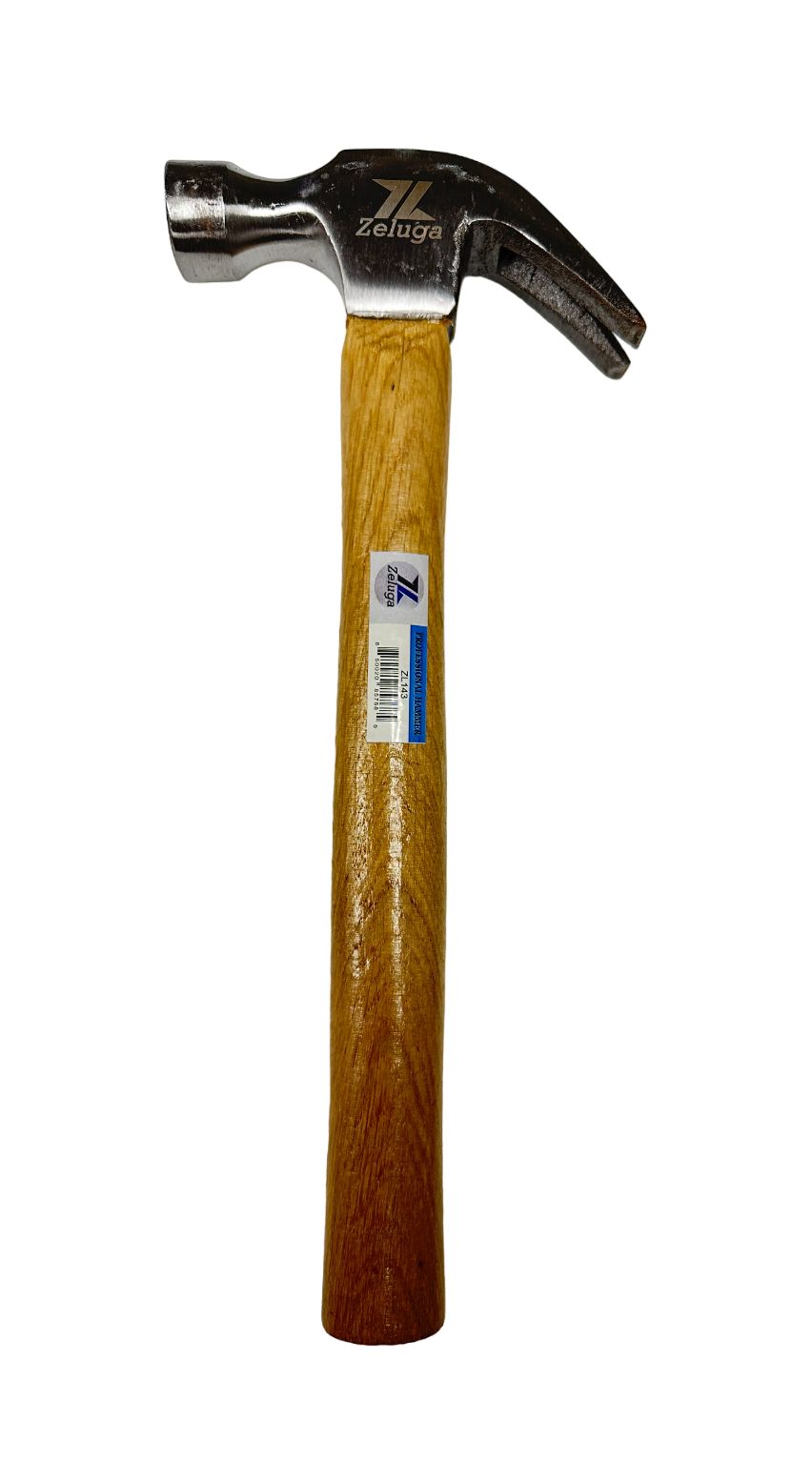
A claw hammer is an incredibly versatile hand tool used for both driving and removing nails. The hammer’s head consists of a hitting surface and two prongs with a V-shaped groove separating them. The commonly available sizes vary from 16 to 24 ounces. Place the nail correctly, hit in stages, and remove the nails using the claw carefully.
Framing Hammer
A framing hammer is designed for repetitive nailing of construction materials. It usually comes with a larger head with a weight of 20 to 32 ounces, a longer handle, and a straight claw. Milled-face hammers provide a better grip on nail heads; however, they leave marks on the surface of the material.
Finish Hammer
A finish hammer is intended for accurate striking rather than powerful driving force. Most types come with about 12 to 16-ounce heads that have smooth faces to minimize marks on trim pieces. The lighter hammer helps to have better control while working around molding and cabinetry. You should not strike it with too much power; do not use the finish hammer for demolition or for big fasteners.
Rip Hammer
A rip hammer looks similar to a claw hammer, with its claw being straightened to pull, rip apart, and pry material. It is used in construction projects. The straight claw allows for better separation from material than the curved one. Be careful about side-loading the hammer.
Tack Hammer and Trim Hammer
Tack and trim hammers are lightweight tools made for controlled fastening of upholstery, cabinetry, mouldings, and detailed woodwork. The tack hammer could have a small face and sometimes a magnetic head that can hold tacks. Give quick and precise blows to the nail. The small face is not meant to be used in high-force demolition and fastening.
Cross Peen and Straight Peen Hammers
Both the cross-peen hammer and the straight peen hammer have a flat face opposite a wedge-shaped peen. The cross-peen hammer has its peen running across the handle, and the straight peen hammer has its peen running along the handle. They assist in shaping metals and controlled fastening. Choose the direction of the peen depending on access.
Dead Blow Hammer
A dead blow hammer utilizes either a solid or partly hollowed head with internal shots to minimize bouncing after the strike. Such a tool is useful in automotive work, assembly, positioning, and controlled part adjustment. The tool helps minimize bouncing for improved striking efficiency. Inspect the tool for cracks in its body and never use cracked hammers to prevent leakage of internal materials.
Rubber Mallet and Other Soft-Face Hammers
These types of hammers transmit force while preventing any marring of the surface. Soft faces include rubber, plastic, polyurethane, copper, or even replaceable faces. Such hammers are useful in flooring, tile positioning, woodworking, and assembly. Be careful about choosing face hardness because too much force may still cause cracking, denting, or deformation of the piece.
Brick Hammer
A brick hammer is also known as mason’s hammer. It consists of both striking and chisel blades. This type of hammer is used to break, trim, and shape brick, stone, and masonry. The steel head works effectively in concentrating force. Eye safety measures must be taken since masonry may get airborne. It is also essential to examine the striking surface before using it multiple times.
Roofing Hammer
Roofing hammer is used for repetitive roofing fasteners. The hammer may have a striking surface and special characteristics for handling and cutting roofing material. This hammer will help improve effectiveness while installing shingles and other similar products. This hammer should be used only on secure surfaces and with proper footing.
Drywall Hammer
A drywall hammer has an innovative head that is used for driving drywall fasteners. In some models, the peen end acts like a hatchet for trimming the material. Apply force moderately to avoid causing damage. Always examine the hammer head for any defects. Eye protection should be worn when driving or cutting nails because of the risk of particles flying around.
Electrician Hammer
An electrician hammer is a specially-designed claw hammer intended for fastening purposes and accessing electrical and construction sites. The extended design allows reaching difficult locations. Choose a hammer appropriate for the job at hand and the conditions of the site. Do not use a hammer in electrical applications if not specified by the manufacturer.
Brass Hammer
A brass hammer has a softer metal striking face to decrease damage while striking hard materials. It is used widely in mechanical, automotive, and assembly tasks in which steel hammers can mark the parts. The metal can be deformed with multiple impacts, therefore check the striking face carefully. Make sure to strike the piece with moderate pressure.
Joiner’s Mallet
A joiner’s mallet features a wooden head and handle to perform woodwork tasks. A wide face of the tool disperses impact during the work with chisels and assembling joints to prevent damage to the timber. Use a proper mallet for the chisel size. Take care that the head is not cracked and is dry.
Rock Hammer
A rock hammer, known also as geological hammer or pick hammer, includes a flat striking face and either a pick or chisel end to break rocks and analyze them. Choose an appropriate head shape to work with a specific material. You must wear safety glasses when working with such tools as rock can create very fast-moving shards.
Other Specialised Types of Hammers
Blacksmith Hammer
The blacksmith hammer usually features a flat striking surface and a peen with a specific shape for shaping heated metal. The hammer is meant for repeated blows applied to an anvil. Wear protective gear resistant to high temperatures and check the handle and head before using the hammer for forging.
Blocking Hammer
A blocking hammer has a flat surface and a rounded or cylindrical surface for shaping thin sheets of metal. The hammer is often used together with forming blocks and stakes. Apply controlled hits to avoid thinning or stretching the material too much.
Chasing Hammer
A chasing hammer is a special-purpose metalworking hammer featuring differently shaped working surfaces for shaping and decorating thin metal pieces. It is commonly used for creating decorative metalwork and jewellery items. The hits applied to such a workpiece should be light and precise.
Bushing Hammer
A bushing hammer features a striking face that will texture the stone or concrete. The textured head can be used for an anti-slip surface finish. Eye and face protection is recommended when striking mineral material to prevent fragments and dust.
Scutch Hammer
A scutch hammer is fitted with removable teeth that allow for the removal of the mortar on the masonry. The scutch hammer gives a controlled impact for the restoration of the surface. Attachments should be replaced after wear and secured properly. Eye protection is required when dealing with the brittle mortar.
Scaling Hammer
A scaling hammer is used in rust or scale removal using chisel, pick, or specialized striking faces. It is used in maintenance and industrial surface preparation. Eye protection and gloves should be worn. Control any dust or hazardous coating residues.
Different Parts of a Hammer
Handle
This part gives you a place to hold, a mechanical advantage, and control over your swing and can be made of wood, fiberglass, metal, or composite materials.
Head
The head consists of the main surface(s) where the hammer works and is constructed according to its purpose.
Face
The face hits the work piece and may have different finishes or even be made of softer metals.
Claw
The claw helps remove nails and can either have a curved shape or be straightened to get more prying and separation power.
Peen
The peen is an auxiliary working surface and can be used to form metal pieces or start fasteners.
Eye
The eye is the hole in the head of the hammer that accepts the handle.
Cheeks
Cheeks are the sides of the hammer head around the eye that give it additional structural strength.
Grip
The grip is the part where your hand touches the handle.
How to Choose the Right Type of Hammer
Match the Job
Select the hammer based on its suitability for driving nails, framing, demolition, masonry, forging, precise assembly, or positioning with sensitive surfaces.
Select Head Weight
Light heads enhance accuracy, while heavy heads boost hammering power. Standard hammer head weights are usually around 20 to 32 ounces.
Check Face Design
The hammer face should be smooth for finish work, whereas the hammered face will have an added surface for holding the nail head.
Consider Handle Construction
Wood provides traditional comfort, fibreglass absorbs vibrations, while steel and other materials offer more durability when used frequently by professionals.
Evaluate Safety Conditions
Ensure that there are no loose heads, cracks in the handle, or damages to the hammer face. Eye protection is necessary when there is a potential hazard of hammer impact or particle flight.
Choose Zeluga for Professional Hammers
Are you looking for trusted professional hammers that can be relied upon to work under tough conditions? Zeluga is one of the top suppliers of professional hammers in the USA designed for construction, carpentry, metalwork, demolition, and general use.
Contact us today for bulk and wholesale hammer requirements.
Key Takeaways
- Various hammers are developed for different kinds of impacts, fastenings, forging, demolishing, and non-marred work.
- A sledge hammer gives the most power, whereas the club hammer gives more control in tight heavy-duty situations.
- A Pro Ball Peen Hammers are intended mainly for metal work, riveting, forging, and hitting punches.
- Curve claw smooth face hammers have both general-purpose nail driving and controlled nail pulling, with minimal surface marring.
- Weight of hammer, face shape, claw or peen shape, and hammer handle all affect performance.
FAQs
What is the most versatile hammer?
A curved claw hammer can be used for general household repair, woodworking, hammering nails, and removing nails.
Can a framing hammer replace a finish hammer?
No, a framing hammer will likely damage the surface because of its heavy weight and face.
What hammer should be used for striking metal?
A ball peen hammer, cross peen hammer, and straight peen hammer are chosen depending on the shaping process.
Why should damaged hammer heads or handles be replaced?
Broken pieces can lead to poor control over the tool and pose risks due to potential failures and splintering of the parts.
Is a heavier hammer always better?
Not necessarily, since increased hammer weight means increased impact force but decreases accuracy and can cause fatigue.